


Best Cotton Suits for Women 2026 | Trends, Styles & Guide
There's a moment every Indian woman knows intimately—stepping out into the sweltering April heat, feeling fabric cling uncomfortably, and wondering why she didn't just wear cotton. In my 22 years building Cotton Culture from a single manufacturing unit to 51 stores across India, I've had thousands of conversations with women about their wardrobe frustrations. And here's what I've learned: cotton suits for women aren't just ethnic wear—they're survival gear for our climate, culture, and crazy schedules.
Whether you're navigating Mumbai's humidity, Delhi's dust storms, or Bangalore's unpredictable weather, cotton adapts. It breathes when synthetic fabrics suffocate. It forgives when poly-blends cling. And in 2026, cotton suits have evolved far beyond your grandmother's simple salwar kameez (though we still love those too). This guide covers everything—from understanding fabric weaves to predicting what'll be trending in our stores this year, plus practical tips I've picked up from two decades of watching what actually sells versus what just photographs well.
What Are Cotton Suits for Women? (The Fundamentals)
Let's start with basics because I've noticed even regular customers sometimes confuse terms.
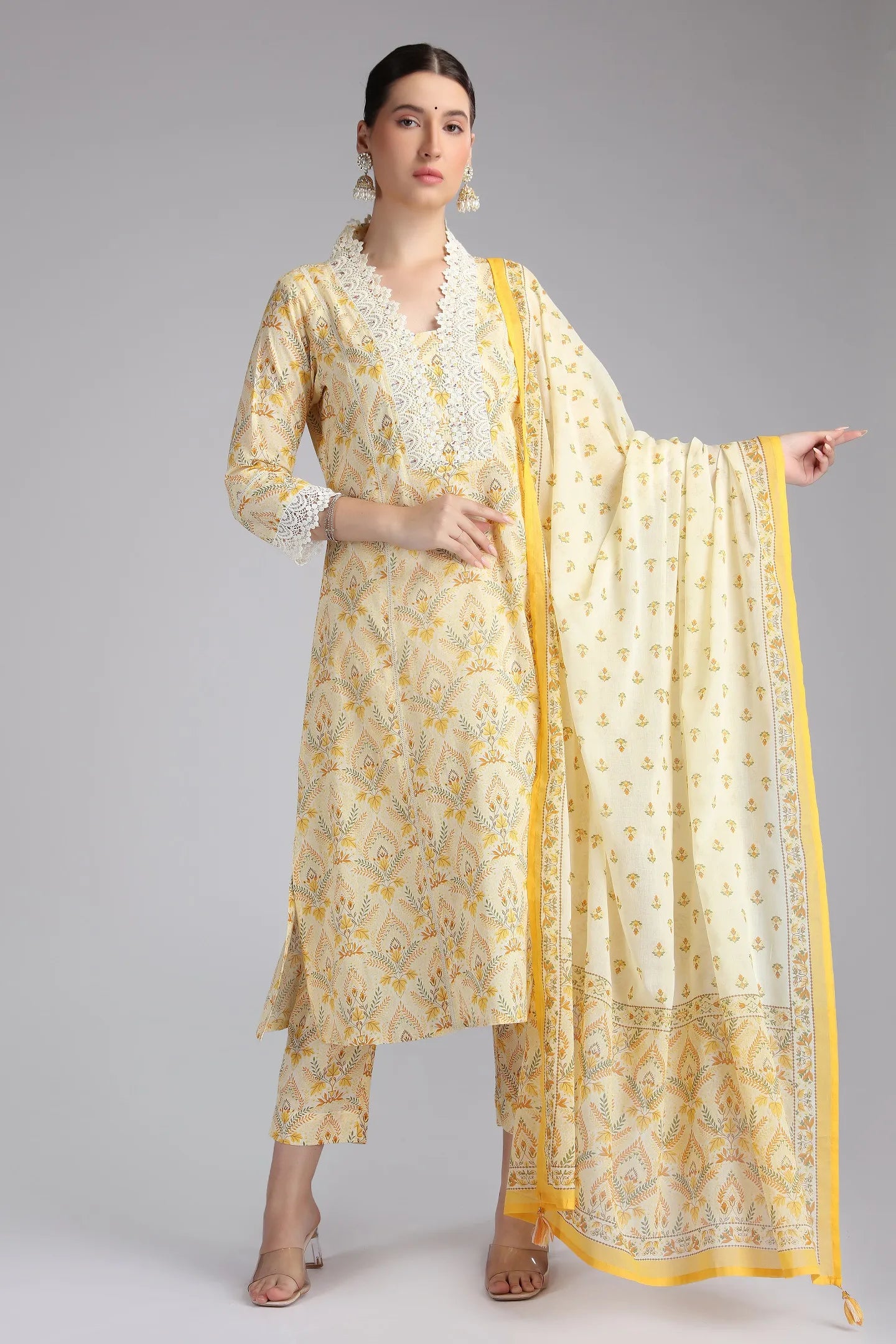
A cotton suit for women is a three-piece ensemble consisting of:
- Kameez (the upper kurta or tunic)
- Salwar (the bottom—could be traditional salwar, churidar, or palazzo)
- Dupatta (the drape that completes the look)
The beauty of this outfit lies in its modular nature. You can mix, match, and modernize. At Cotton Culture, we've watched this evolution firsthand—from strictly traditional cuts in the early 2000s to today's experimental silhouettes that blur the line between ethnic and contemporary.
The cotton suit has roots deep in Indian textile history, particularly from Punjab and North India. But it's adapted magnificently. What started as regional wear is now pan-Indian, with Hyderabadi women styling it differently than those in Kolkata, and Mumbai fashionistas adding their coastal-casual twist.
The Modern Evolution
Here's what's changed dramatically since I started in 2000: the cotton suit is no longer just for "traditional occasions." Young professionals wear them to office with sneakers. College students pair them with denim jackets. New mothers swear by them for comfort and nursing ease. The garment has democratized itself while maintaining cultural authenticity.
Why Choose Cotton? (The Expert's Perspective)
I'm biased, obviously—our brand literally has "Cotton" in the name. But this bias comes from experience, not marketing.
Breathability is the obvious answer, but let me get specific. Cotton fibers are hollow and naturally wicking. When you perspire (and in Indian summers, you will), cotton pulls moisture away from skin and allows air circulation. I've seen lab reports and customer feedback—cotton regulates body temperature 30% better than polyester blends.
Hypoallergenic properties matter more than most realize. In our stores, we encounter women with sensitive skin weekly. Chemical dyes on synthetic fabrics cause rashes, irritation, even fungal issues in humid climates. Pure cotton, especially when dyed with azo-free colors (which we prioritize), minimizes these reactions.
Climate suitability is non-negotiable for India. We're not a temperate country with four distinct seasons. We have hot, hotter, monsoon-hot, and pleasantly warm. Cotton works across this spectrum when styled correctly (more on winter styling later).
Pure Cotton vs. Cotton Silk: The Technical Breakdown
This question comes up constantly, so let me clarify from a manufacturer's perspective:
Pure Cotton Suits use 100% cotton fibers. Within this category, you'll find:
- Mulmul cotton – Extremely lightweight, almost gauze-like. Perfect for peak summer but wrinkles easily. Our Lucknow store sells tons of these from March to June.
- Cambric cotton – Tightly woven, smooth finish. Holds shape better, ideal for professional settings.
- Voile cotton – Sheer and elegant, often used for dupattas.
- Flex cotton – Blended with a tiny percentage of spandex (usually 2–5%) for stretch. Technically not "pure" but still breathable.
Cotton Silk Suits blend cotton with silk fibers, usually in a 60:40 or 70:30 ratio. The result:
- More sheen and drape
- Better wrinkle resistance
- Slightly less breathable but more formal appearance
- Higher maintenance—requires gentler washing
When to wear which? For daily office wear, errands, or anything involving long hours outdoors—choose pure cotton. For evening events, festive occasions, or air-conditioned environments where you want more structure—cotton silk works beautifully.
Types of Cotton Suits (Deep Dive - The Core of the Article)
This section is where two decades of inventory management and customer observation really pay off. Let me break down categories the way we organize them in our warehouses and stores.
Pure Cotton Suits: The Daily Essentials
These are your workhorses. In our sales data, pure cotton suits consistently outsell everything else by volume, though not necessarily by profit margin.
Characteristics:
- 100% cotton fabric for both kameez and salwar
- Breathable and easy to maintain
- Price range typically ₹1,200 to ₹2,500 for unstitched sets at Cotton Culture
- Stitched versions run ₹1,800 to ₹3,500 depending on embroidery and finishing
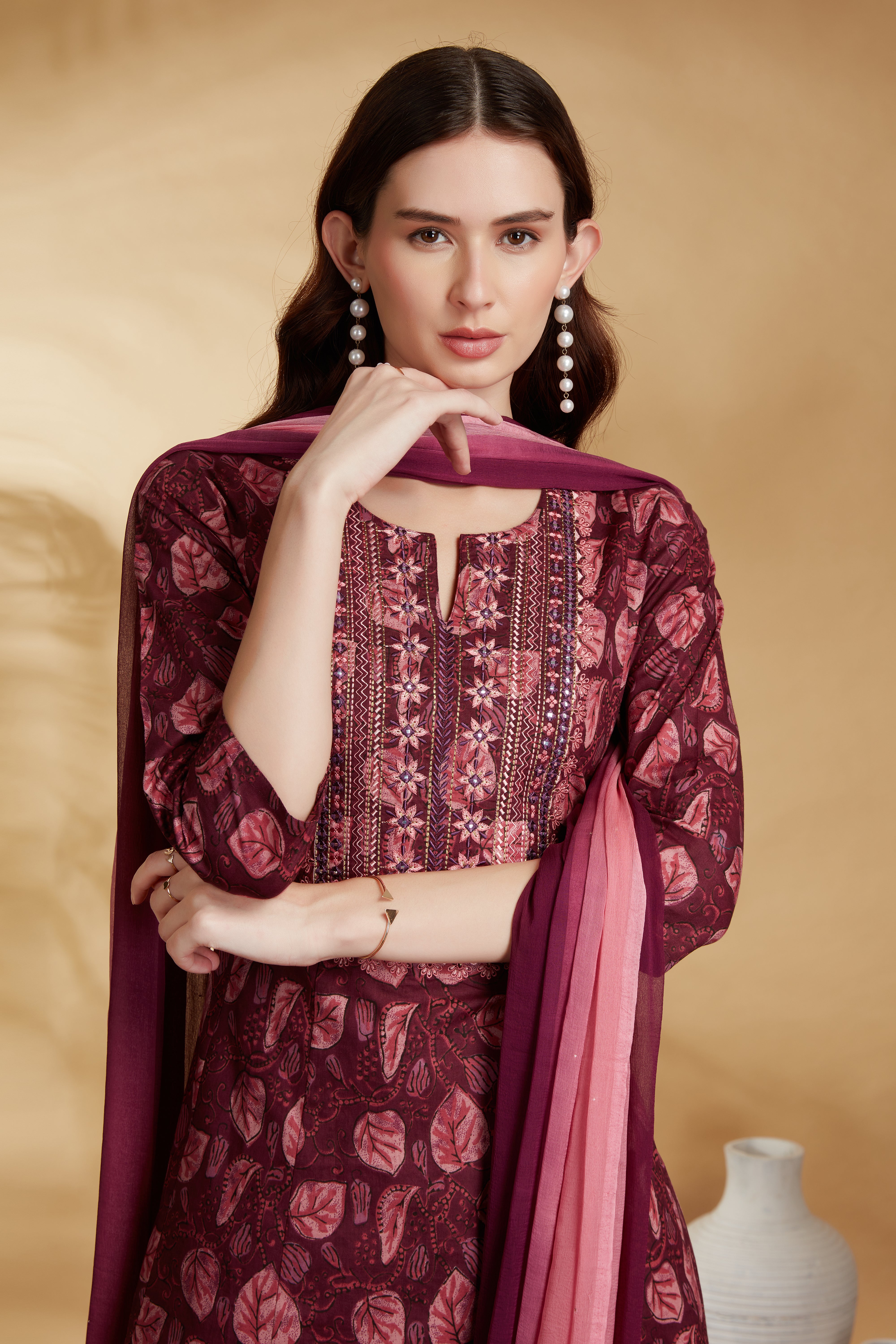
What makes them essential? They're forgiving. You can wash them repeatedly without significant color loss (if dyed properly). They don't require dry cleaning. They work across body types because cotton drapes without clinging awkwardly.
I've noticed our Pune and Bangalore stores stock more pure cotton because of the tech industry crowd—women who need comfortable daily wear that still looks professional on video calls.
Cotton Suits with Dupatta Variations
The dupatta deserves its own discussion because it transforms the entire outfit.
Chiffon dupattas paired with cotton suits create an interesting contrast. The body stays comfortable in breathable cotton while the chiffon adds movement and elegance. We stock these heavily for the festive season—Diwali, Eid, wedding season. The dupatta photograph well, which matters for social media-conscious younger buyers.
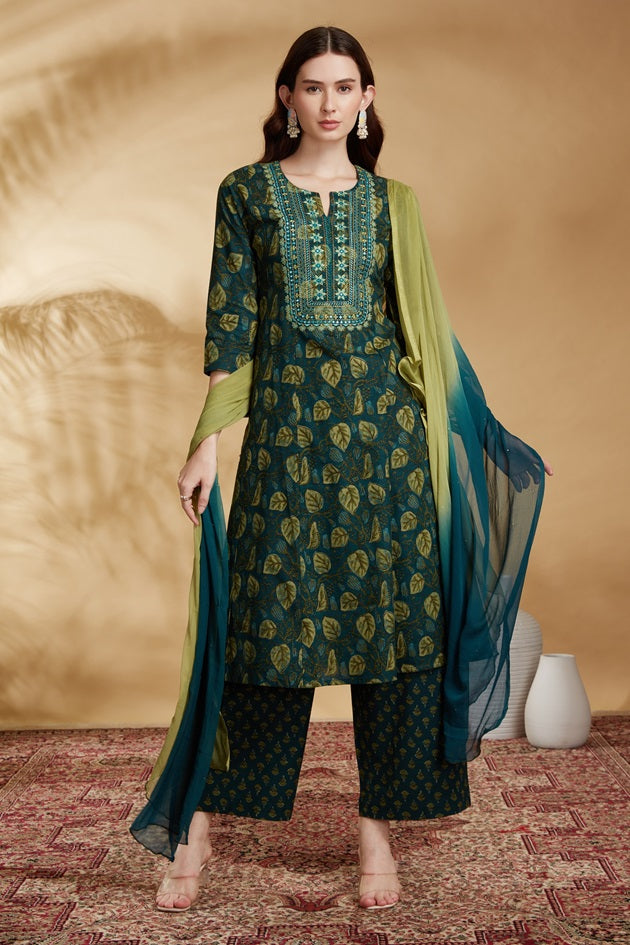
Kota Doria dupattas are my personal favorite pairing with simple cotton suits. This handwoven fabric from Rajasthan has a checkered pattern and exceptional lightness. It's traditional without being heavy. Our Jaipur store can barely keep them in stock.
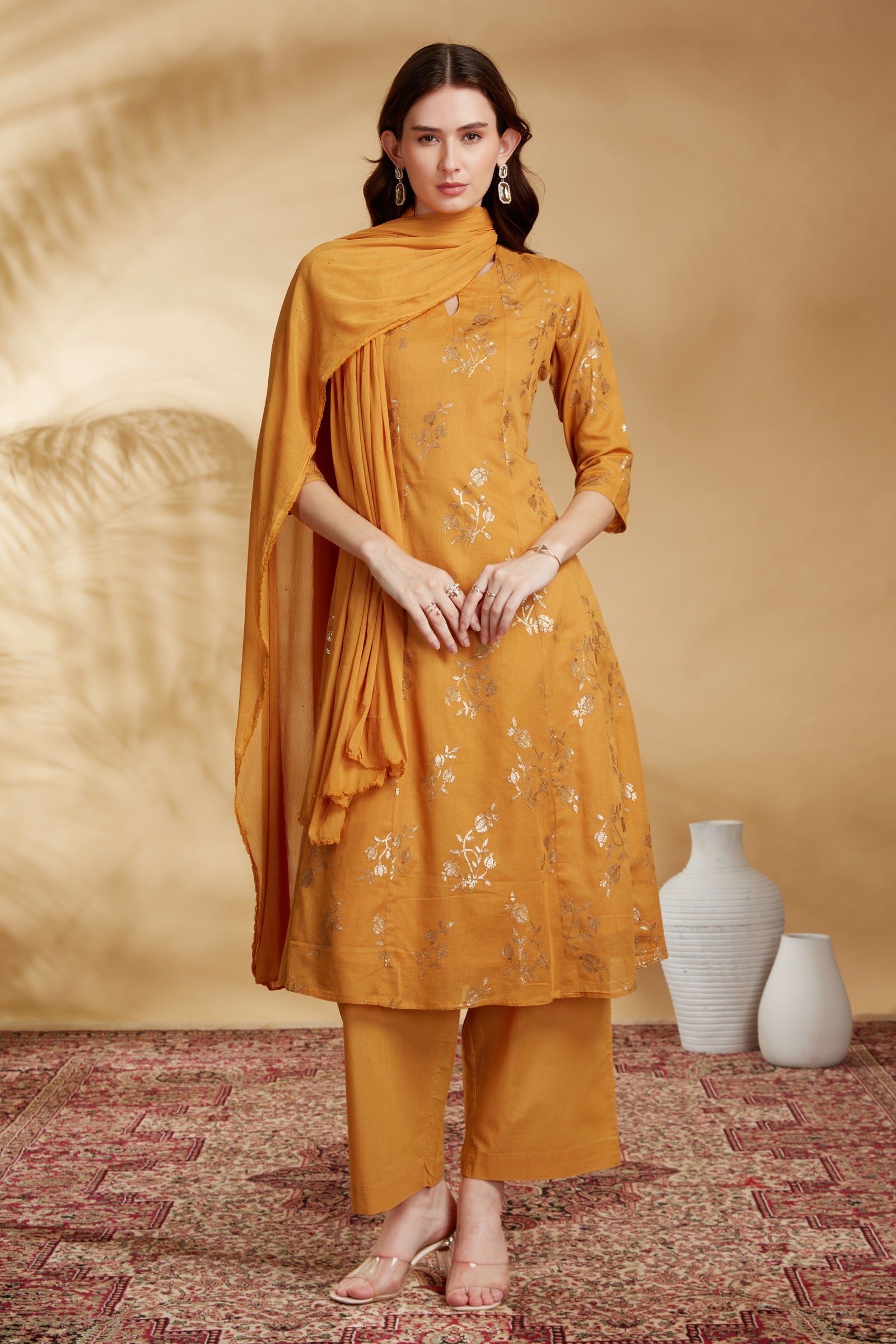
Cotton dupattas keep the entire ensemble natural and breathable. These work best for daily wear, casual outings, or when you're prioritizing comfort over glamour. The downside? They're bulkier and can feel redundant in extreme heat—many customers skip the dupatta altogether in summer, which is completely acceptable now.
Net dupattas add drama. They're not breathable, but when paired with a comfortable cotton base, they work for evening events. We've seen sales spike for these before wedding seasons.
Salwar Styles: Beyond the Basics
The bottom half determines comfort more than most realize.
Patiala salwars use significant fabric—usually 4 to 5 meters—creating those distinctive pleats. They're roomy, allow unrestricted movement, and work brilliantly in heat. However, they add visual volume, which some petite customers avoid. Our Delhi and Chandigarh stores sell these aggressively; they're culturally rooted there.
Churidar is the slim-fit alternative. These gather at the ankle, creating a tailored look that photographs cleaner and works better with heels. The downside for cotton? Cotton churidars don't have the stretch of synthetic versions, so sizing must be precise. We recommend flex cotton for churidar bottoms.
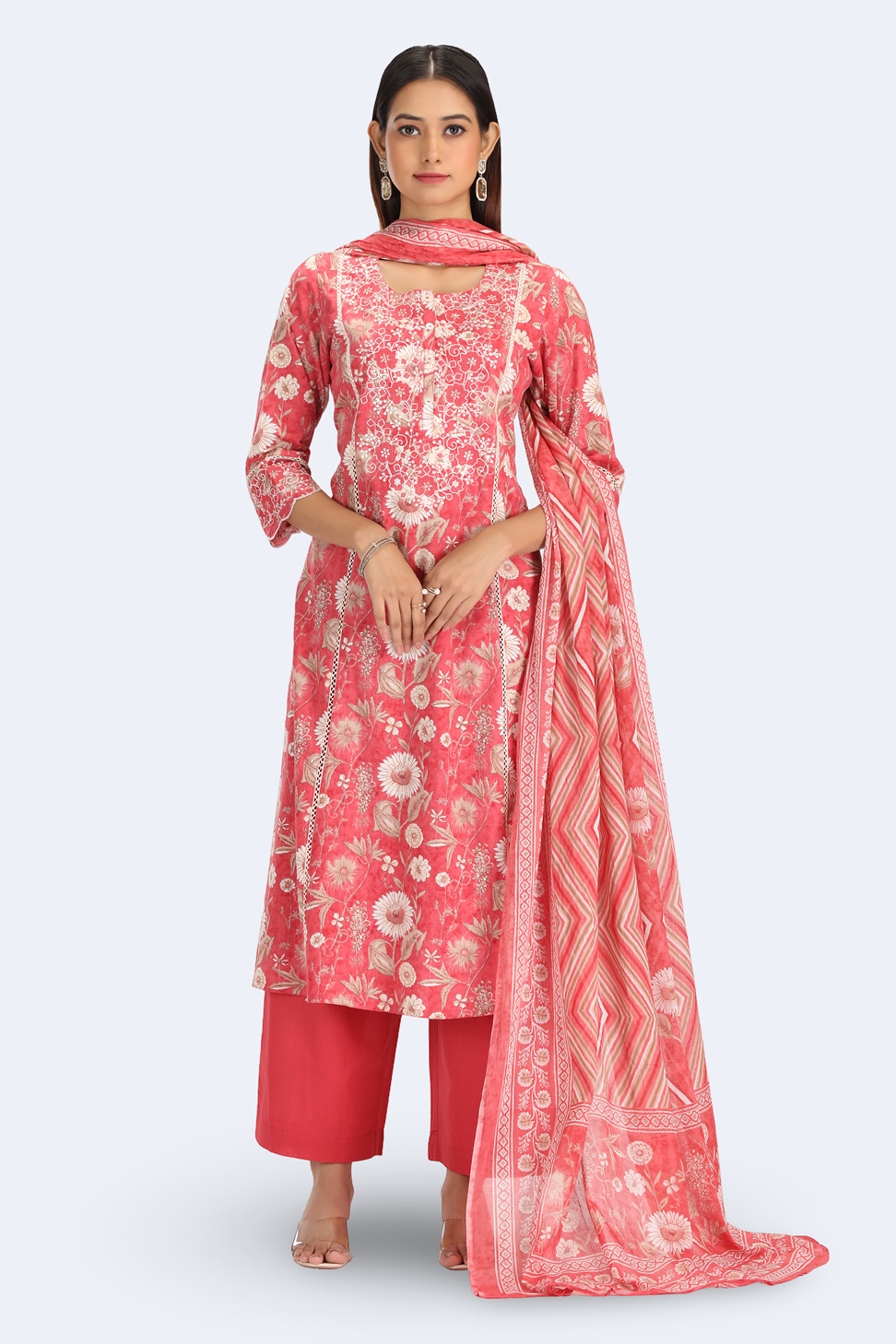
Palazzo-style bottoms have dominated our sales since 2018. Wide-legged, comfortable, modern—they appeal to younger demographics who find traditional salwars "too ethnic" for their lifestyle. Cotton palazzo pants in solid colors paired with printed kameez create that fusion aesthetic that's very 2026.
Straight pants (almost like dress pants) are our newest category. These aren't traditional salwar at all but pair beautifully with short or knee-length kurtis. They're office-appropriate and incredibly practical for women who use two-wheelers—salwars can tangle in bike chains; these don't.
Unstitched vs. Stitched: The Tailoring Perspective
Unstitched cotton suit sets typically include:
- 2.5 meters for kameez
- 2.5 meters for salwar
- 2.5 meters for dupatta
Total: 7.5 meters of coordinated fabric, sometimes with contrast borders or embroidery panels already attached.
Advantages of unstitched:
- Customizable fit (crucial for plus-size or petite frames)
- Usually ₹500-₹800 cheaper than stitched versions
- You control neckline, sleeve length, kameez length
- Better fabric quality for the same price point
Disadvantages:
- Requires finding a good tailor
- 7-10 day wait time minimum
- Risk of poor stitching ruining the fabric
From a business perspective, we push stitched options because margins are better and there's no post-purchase tailoring complaints. But honestly? If you have a trusted tailor and specific fit requirements, unstitched is superior. I've had mine for 15 years—he knows exactly how I like my sleeves.
Stitched cotton suits from Cotton Culture range ₹1,800 to ₹4,500. We've standardized sizes (S, M, L, XL, XXL) based on data from thousands of fittings, but alterations are often still needed, especially for length.
Specialty Categories Worth Knowing
Jaipuri Block Print Cotton Suits represent artisan heritage. Hand-carved wooden blocks dipped in natural dyes create these patterns. Each piece is technically unique. They're not mass-produced, which means slight variations in print alignment—that's authenticity, not defect. We source these directly from Bagru and Sanganer clusters in Rajasthan. Price premium: 40-60% over regular printed cotton, but the durability and uniqueness justify it.
Handloom Cotton Suits support traditional weaving communities. These have texture that machine-made fabrics can't replicate. The cotton is often organic, the weave is tighter, and they last significantly longer. Our Kolkata store specializes in Bengali handloom cotton suits—tant cotton, jamdani borders. Different regional aesthetic.
Party Wear Cotton—yes, it exists, and it's not an oxymoron. The trick is in the embellishment. Heavy gota patti work, mirror work, sequin embroidery on premium cotton fabric creates festive-appropriate suits that remain breathable. We launched a premium line in 2024 specifically for women who want the cotton comfort but need the visual impact of silk. These run ₹3,500 to ₹6,500.
2026 Trend Forecast
Predicting trends is part data analysis, part intuition from years of watching what sticks versus what flops.
Pastel and Muted Tones are dominating our spring 2026 preview orders. Millennial pink, sage green, powder blue, lavender—these soft colors photograph beautifully, work across skin tones, and feel modern without being loud. They're replacing the bright magentas and yellows that ruled the 2010s.
Sustainable Handblock and Natural Dyes have moved from niche to mainstream. Customers now specifically ask about dyeing processes. Azo-free certification matters. We're seeing 35% year-over-year growth in naturally dyed cotton suit sales across our 51 stores. This isn't just environmental consciousness—these dyes are genuinely better for sensitive skin.
Minimal Embellishment, Maximum Silhouette is the mood for 2026. Instead of heavy embroidery covering the entire kameez, we're seeing clean fabric with exceptional cut and fit. Maybe a subtle embroidered neckline or cuff detail, but the focus is on tailoring and drape. This shift benefits cotton because the fabric itself becomes the hero.
Coordinated Separates rather than traditional three-piece sets. Women are buying printed short kurtis with solid palazzo pants and skipping the dupatta entirely. Or pairing a solid kameez with a contrast print salwar. This modular approach maximizes wardrobe versatility—one kameez works with four different bottoms.
Fusion Experiments: We're stocking cotton kameez designed to be worn over jeans. Short cotton kurtis with denim jackets. Traditional suits with sneakers. The ethnic-Western boundary is nearly erased for the under-35 demographic.
At Cotton Culture, we're integrating these trends carefully—not chasing every Instagram fad but identifying what has genuine consumer demand across our diverse geography. What works in Mumbai doesn't always work in Lucknow, but pastels and sustainable dyes are universal.
Styling Guide by Occasion
Theory is useless without application. Let me walk you through real scenarios.
Daily Wear: Effortless Looks
For running errands, school drop-offs, or work-from-home days when you still need to look presentable:
The Formula:
- Simple cotton short kurti (knee-length or slightly above) in solid or small prints
- Cotton palazzo pants or straight-cut cotton pants in contrasting or matching color
- Skip the dupatta unless needed for modesty or religious reasons
- Comfortable flats or kolhapuris
Fabric choice: Cambric or flex cotton that doesn't wrinkle excessively. You're not ironing this daily—choose accordingly.
Color strategy: Darker or medium tones hide stains better (coffee, food). Save whites and pastels for non-messy days.
This combination takes 90 seconds to put on and works for 80% of your casual life. I've worn versions of this outfit to our warehouse inspections, vendor meetings, and weekend grocery runs for years.
Office/Professional: Interview-Ready in Cotton
Cotton suits for women absolutely work for professional environments—you just need strategic styling.
The Formula:
- Well-fitted pure cotton suit in solid, sophisticated colors (navy, charcoal grey, forest green, burgundy)
- Churidar or straight-cut pants for a tailored silhouette
- Lightweight cotton or chiffon dupatta draped simply—one-shoulder style or pleated front
- Structured tote bag, minimalist jewelry, closed-toe footwear
Avoid: Loud prints, excessive embroidery, bright neons, overly casual fabrics like mulmul.
Fabric choice: Cambric cotton or cotton silk blend. You need crisp lines that hold shape through an 8-hour workday plus commute.
Insider tip from our corporate client program: Many companies with traditional dress codes now allow ethnic wear on specific days. Our Gurgaon and Pune stores have corporate bulk-order programs—offices order customized cotton suits for their female employees. The demand exists; the styling matters.
Festive: Accessorizing Cotton to Look Premium
This is where people doubt cotton's capability. Can it compete with silk and georgette for weddings and festivals? Yes, but you need elevation.
The Formula:
- Party wear cotton suit with rich embroidery—gota patti, zari work, or heavy sequin embellishment
- Cotton silk fabric for better drape and sheen
- Statement dupatta—net or chiffon with matching borders
- Oxidized silver jewelry or Kundan pieces (gold works too but silver complements cotton's natural aesthetic)
- Embroidered juttis or heels
- A contrasting clutch
The trick is layering value perception: If the suit itself is ₹3,000, but you pair it with ₹2,500 worth of jewelry and accessories, the overall impression reads premium. Cotton's matte finish actually provides better contrast for metallic jewelry than shiny synthetic fabrics.
Real example from a customer: Last Diwali, a regular at our Hyderabad store bought a peach cotton silk suit with mirror work for ₹4,200. She paired it with antique gold jewelry, nude heels, and got more compliments than her friends in ₹12,000 designer georgette. It's about composition, not just the garment.
Winter Styling: Solving the Cotton-in-Cold Dilemma
"Can I wear cotton suits in winter?" Yes, with smart layering.
Layering strategies:
- Full-sleeve cotton kameez (switch from short sleeves) in slightly thicker weave
- Woolen shawl or Pashmina over the dupatta—this adds warmth without bulk
- Tights or thermal leggings under salwar/churidar
- Long cotton jackets or short woolen jackets over the kameez
- Closed-toe footwear, obviously
Best cotton winter suits: Those with higher thread counts and tighter weaves. Jaipuri cotton and handloom cotton trap more air between fibers, providing better insulation than you'd expect.
In North India (where winters actually matter), we stock winter-specific cotton suits from November through January—deeper colors, heavier fabric, full sleeves as default. Our Amritsar and Chandigarh stores barely sell sleeveless or short-sleeve cotton suits from December to February.
Shopping & Price Guide
Let's talk money and practical buying decisions.
How to Choose the Right Fit Online
Buying cotton suits online eliminates the touch-and-feel disadvantage of e-commerce, but you can still make informed choices:
- Check fabric specifications:
- Thread count (higher = tighter weave = better quality, usually)
- Cotton percentage (beware of "cotton blend" that's 30% cotton, 70% polyester)
- Dyeing process (azo-free is a green flag)
- Understand measurement guides:
- Bust, waist, hip measurements are standard
- Pay attention to "length"—a size M could have different length across brands
- At Cotton Culture, we provide detailed size charts, but I still recommend measuring your best-fitting current suit and comparing
- Read reviews for fabric behavior:
- Does it shrink after first wash?
- Is the color accurate to photos?
- How's the stitching quality on seams?
Return/exchange policies matter: Cotton fits differently than synthetic stretch fabrics. You might need to exchange sizes. Check if the platform offers free returns.
Cotton Culture Price Brackets
Based on our current 2026 inventory across 51 stores and cottonculture.co.in:
Stitched cotton suits:
- Basic range: ₹1,800 – ₹2,500
- Mid-range: ₹2,500 – ₹3,800
- Premium/Party wear: ₹3,800 – ₹6,500
Individual pieces (for mix-match styling):
- Cotton short kurtis: ₹800 – ₹2,200
- Cotton palazzo pants: ₹600 – ₹1,500
- Dupattas: ₹400 – ₹1,200 depending on fabric
These prices reflect quality that lasts 3-5 years with proper care, not fast-fashion items that fade after two washes.
Value for Money Assessment
I'll be honest: the cheapest cotton suit isn't always the best value. A ₹900 suit that shrinks, fades, and tears at seams after three months costs more long-term than a ₹2,200 suit that lasts three years.
Look for:
- Double-stitched seams
- Colorfast dyes (ask explicitly or check reviews)
- Pre-shrunk fabric (should be mentioned in product description)
- Finishing quality—loose threads and uneven hems indicate rushed production
Maintenance & Care
Cotton is forgiving, but it rewards good care with longevity.
Washing Best Practices
First wash is crucial:
- Soak in cold water with a pinch of salt for 30 minutes before first wash
- This sets the dye and minimizes future color bleeding
- Wash separately for the first 2-3 cycles if it's a dark or bright color
Regular washing:
- Cold or lukewarm water only—hot water breaks down cotton fibers faster and causes shrinkage
- Mild detergent; avoid harsh chemicals or bleach
- Turn the suit inside out to protect surface colors and embroidery
- Hand wash is ideal; machine wash on gentle/delicate cycle if necessary
- Don't overload the washing machine—cotton needs space to move
Drying:
- Never tumble dry cotton suits—this causes maximum shrinkage and wrinkles
- Line dry in shade, away from direct sunlight (sunlight fades colors)
- Dry inside out to protect the outer color
- Don't wring excessively; gently squeeze out water
Ironing and Storage
Ironing cotton suits:
- Cotton tolerates high heat, but always iron slightly damp or use steam
- Iron on reverse side for embroidered or embellished pieces
- Use starch spray lightly if you want crisp finish (I personally skip this)
Storage:
- Clean before storing (stains set permanently over months)
- Use breathable cotton garment bags, not plastic
- Add neem leaves or lavender sachets to prevent insects
- Avoid hanging heavy embroidered cotton suits for extended periods—the weight can stretch the fabric. Fold these.
Pro-tip from our quality control team: If you notice yellowing on white or light cotton suits, soak in water with lemon juice and sunlight for natural bleaching before washing. Works surprisingly well.
With proper care, a good cotton suit for women easily lasts 4-5 years of regular wear—far better sustainability than fast fashion.
FAQs
What are the best cotton suit styles for Indian summers?
For peak summer (April-June), prioritize pure cotton suits in mulmul or voile weaves. Choose light colors—white, pastels, powder blue—that reflect heat. Opt for short or three-quarter sleeves, and skip the dupatta or use an ultra-light cotton voile dupatta. Palazzo or patiala bottoms provide better air circulation than fitted churidars. At Cotton Culture, our summer bestseller is a simple white mulmul cotton suit with Chikankari work—it's timeless and breathable.
How do I style cotton suits for a professional setting?
Choose structured cotton in solid, sophisticated colors like navy, grey, or maroon. Pair with churidar or straight pants for a tailored look. Use a minimal dupatta draped neatly, not casually bunched. Cambric or cotton silk fabric holds better shape than loose-weave cotton. Accessorize with simple jewelry and a structured bag. Avoid loud prints and excessive embroidery—save those for festive occasions. The key is treating the cotton suit as seriously as you'd treat formal trousers and a blazer.
Pure cotton vs cotton silk: which is better for daily wear?
Pure cotton wins for daily wear, especially in warm climates. It's more breathable, easier to wash, requires less maintenance, and dries faster. Cotton silk looks more formal and drapes better but needs gentler handling and isn't as comfortable for all-day wear in heat. If you're wearing the suit for 8-10 hours involving commute, errands, and active movement—choose pure cotton. Reserve cotton silk for occasions where you'll be mostly indoors or in air-conditioned environments.
Can cotton suits be worn in winter?
Absolutely. Choose thicker weave cotton like handloom or Jaipuri cotton, which has better insulation. Opt for full sleeves and layer smartly—woolen shawls, Pashminas, or short jackets over the kameez work beautifully. Thermal wear under salwar adds warmth without visible bulk. Our North India stores stock winter-specific cotton suits for women with higher thread counts and richer, darker colors that absorb and retain more heat. Cotton isn't just summer fabric; it's year-round versatile.
Should I wear cotton underwear with cotton suits?
From a comfort perspective—yes. Cotton undergarments complement the breathability of cotton suits. When your entire clothing layer is breathable, moisture management works better, reducing chances of rashes or discomfort in humid conditions. This is especially important during summers or if you're active throughout the day. Synthetic undergarments trap heat and moisture even if your outer layer is cotton, defeating the purpose. Cotton-on-cotton ensures maximum comfort and skin health.
Conclusion
After 22 years in this industry—watching Cotton Culture grow from a small manufacturing unit to 51 stores serving thousands of women daily—I can state with certainty that cotton suits for women aren't going anywhere. They're not a trend; they're a wardrobe foundation.
In 2026, as fashion becomes more conscious, more personalized, and more rooted in practicality than pretense, cotton suits stand stronger than ever. They adapt to our climate, respect our traditions, accommodate our modern lifestyles, and do it all without demanding the earth-depleting resources of synthetic fast fashion.
Whether you're exploring printed short kurtis for women for casual comfort, investing in handblock pure cotton kurti suits for their artisan value, or building a professional wardrobe around structured cotton separates—you're making choices that serve you for years, not just seasons.
The 2026 collection at Cotton Culture reflects everything I've discussed here: breathable fabrics, sustainable practices, versatile designs, and that perfect balance between traditional roots and contemporary needs. I invite you to experience these in person at any of our 51 stores across India, or explore the full range at https://www.cottonculture.co.in.
Because in a world obsessed with what's next, cotton remains beautifully, reliably, wonderfully now.
About the Author
Khushnuma Qazi is Co-Founder of Cotton Culture, a homegrown Indian women's apparel brand with 51 self-managed stores across India. With over 22 years of experience in apparel manufacturing, design, and retail expansion, she writes about Indian fashion trends, cotton-first apparel, sustainable practices, and consumer-centric retail strategies. Her insights come from real-world retail experience and direct customer interactions across Cotton Culture's nationwide presence.
Connect on LinkedIn


