


Best Cotton Fabric for Indian Summer & Humidity | Cotton Culture
Best Cotton Fabric for Indian Summer: Garmi Me Kaunsa Cotton Fabric Best Hai?
By Khushnuma Qazi | Founder, Cotton Culture
22+ Years in Indian Apparel & Retail | 52 Stores Across India | cottonculture.co.in
By the time May arrives in most Indian cities, you already know what the next four months will feel like. The air sits heavy. A short walk from the auto to the office building is enough to leave you feeling damp. By noon, the wrong outfit stops feeling uncomfortable and starts feeling unbearable.
That physical reality is why the question of best cotton fabric for Indian summer is not just a trend topic. It is an everyday survival question. Not every cotton fabric performs the same way in heat and humidity. The name "100% cotton" on a label tells you almost nothing about how it will behave on your skin at 4 PM in a Mumbai July.
At Cotton Culture, we have spent over two decades working with Indian fabrics across 52 stores, watching how real women in real weather respond to what they wear. This guide goes deeper than most fabric round-ups. We are breaking down the actual science behind breathability, comparing the five key cotton fabric types women should know about, and giving you the practical knowledge to make smarter choices for your wardrobe.
Which Is the Best Cotton Fabric for Indian Summer? A Deep Dive
Cotton is not a single fabric. It is a category, and within that category, the weave structure, yarn weight, and thread density determine everything about how it performs in heat. Here are the five variants that matter most for Indian summers.
1. Mulmul — The Lightest Weave You Can Wear
If you have ever picked up a piece of mulmul and held it against light, you understand why it is called "air-thin." Mulmul (also called muslin) is woven from very fine, loosely twisted yarn with a low thread count. That open weave structure is the key to its cooling property — air moves through the fabric almost freely, and sweat evaporates quickly rather than sitting against the skin.
Historically, mulmul was considered the finest cotton textile in the world. Dhaka muslin in the Mughal era was so sheer it was described as "woven air." The version we wear today is a practical, comfortable descendant of that tradition.
For summers in coastal cities like Mumbai, Chennai, or Kochi, where humidity can cross 85%, mulmul is often the most comfortable choice. It is ideal for kurtis and dupattas but requires careful styling because of its sheer quality — layering with a well-fitted inner or lining fabric is usually recommended.
2. Cambric — Structure for the Working Woman
Cambric cotton is tightly woven from fine combed yarn, giving it a smooth, slightly stiff finish compared to mulmul. That structure is actually its strength. Cambric holds its shape well through a long day, does not cling to the body, and has a clean appearance that reads as put-together without effort.
It is the fabric we use most often for our straight-cut and A-line kurtis because it drapes well, handles printing beautifully, and survives daily machine washing without losing form. GSM for typical cambric kurtis sits between 90 and 110 GSM — light enough to be comfortable in summer without being transparent.
For women commuting by metro or working in air-conditioned offices, cambric is often the better choice over mulmul. It looks crisp and professional while still breathing well in the outdoor heat.
3. Voile — Drape and Elegance for Festive Wear
Voile is a plain-weave fabric made from tightly twisted yarn, resulting in a semi-sheer, lightweight material with an elegant drape. Unlike mulmul, voile has a slightly more structured fall — it does not wrinkle as easily and holds pleats and folds better.
It is popular in dupattas and lightweight suits for evening events, festive occasions, and anything where you want to look graceful without wearing something heavy. The breathability is excellent — the high-thread-count open weave allows airflow while the fabric retains its shape.
In terms of summer comfort, voile performs very similarly to mulmul but offers more visual refinement. If you are dressing for a function and need something that looks intentional but still handles the heat, voile is the answer.
4. Slub Cotton — Texture With a Modern Aesthetic
Slub cotton gets its distinctive look from yarn that varies in thickness at intervals — those slight knubs and irregularities are intentional, not flaws. The result is a fabric with natural texture that catches light differently and gives garments a slightly artisanal, handcrafted feel.
Functionally, slub cotton performs well in summer because the irregular weave creates micro-spaces in the fabric structure that allow airflow. It also tends to become softer and more comfortable with every wash, which is why customers who discover it often become loyal to it.
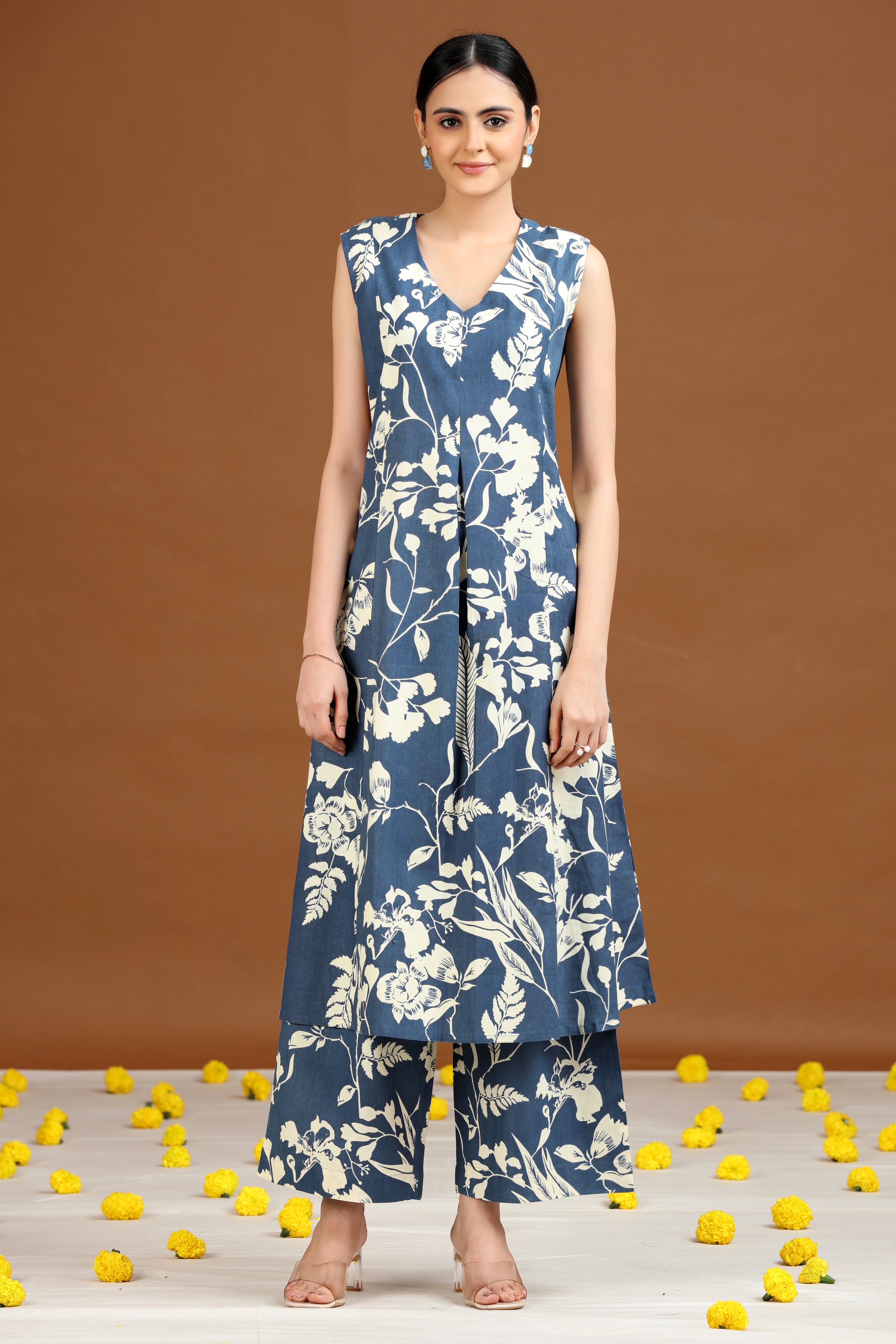
It works especially well for co-ord sets and palazzo pants where a relaxed, lived-in texture feels appropriate. It is one of the fabrics that photographs beautifully while performing just as well in real life — something that is not always guaranteed in fashion.
5. Khadi — Hand-Spun Cooling From Tradition
Khadi remains one of the most underrated fabrics for Indian summers. Because it is hand-spun and hand-woven, the yarn has natural air pockets built into its structure. Those air pockets provide insulation in both directions — keeping heat out in summer and retaining warmth in winter.
The weave density in khadi is generally lower than machine-made cotton, which contributes to better airflow. It also absorbs moisture efficiently and dries relatively quickly. For women who are conscious about sustainable fashion, khadi is also the most environmentally responsible choice — minimal machine processing, support for artisan communities, and completely natural fiber.
The trade-off is that khadi wrinkles easily and requires gentler care than machine-woven cotton. But for casual wear, travel outfits, or weekend dressing, those trade-offs are usually acceptable.
What Makes a Fabric Breathable?
Breathability in fabric is determined by the space between fibres — the pore structure that allows air to circulate. Fabrics with lower GSM, open weave structures, and natural fibres (especially cotton and linen) create channels for air to move and moisture to evaporate. A fabric that wicks sweat away from the skin and allows it to evaporate quickly is breathable. Synthetic fibres trap heat because they have fewer natural pores and lower moisture absorption.
Which Cotton Fabric Is the Coolest for Summer?
Mulmul is the coolest cotton fabric for Indian summers. Its loosely twisted, fine yarn and open weave structure allow maximum airflow and rapid moisture evaporation. For high-humidity coastal cities like Mumbai and Chennai, mulmul kurtis and dupattas provide the most comfort during peak afternoon heat. Voile is a close second for occasions where a more structured drape is needed.
Cotton vs. Linen vs. Rayon: Which Fabric Works Best in Indian Heat?
The comparison below is based on practical performance in Indian climate conditions — a mix of dry heat (Rajasthan, Delhi), humid coastal heat (Mumbai, Chennai), and moderate temperatures (Pune, Bangalore). Scores are relative, not absolute.
|
Parameter |
Cotton (Mulmul/Cambric) |
Linen |
Rayon |
|
Breathability Score |
9/10 — Open weave allows free airflow |
8/10 — Good airflow but stiffer |
6/10 — Breathes but traps odor |
|
Sweat Absorption |
Excellent — absorbs up to 27x its weight |
Very good — absorbs and releases well |
Moderate — absorbs but holds moisture |
|
Drying Speed |
Fast (mulmul) to Moderate (cambric) |
Moderate — dries slower than cotton |
Slow — stays damp longer in humidity |
|
Wrinkle Factor |
Low to Medium — depends on weave |
High — wrinkles very easily |
Low — stays smooth but feels heavy |
|
Best Use Case |
Daily wear, office, festive, travel |
Casual, weekend, structured looks |
Evening wear, short durations only |
|
Wash Durability |
Excellent after 20+ washes |
Good — softens with washes |
Moderate — loses shape over time |
The Science of Comfort: GSM and Weave Density Explained
Two technical factors determine how a cotton fabric actually performs on your skin — not just how it feels in a store — and both are regularly misunderstood by shoppers.
GSM (Grams Per Square Metre) — Why Lower Is Not Always Better
GSM measures the weight of a fabric per square metre. In summer, lighter fabrics (lower GSM) are generally preferred because they feel less heavy. But this relationship is not straightforward.
Fabrics with very low GSM — below 60 — can be uncomfortably transparent, especially for kurtis that are worn without lining. A mulmul fabric at 55–70 GSM may require a contrast inner. Cambric at 90–110 GSM is light enough for summer comfort while remaining opaque and structured.
The practical lesson: do not simply chase the lowest GSM number. Consider layering, fabric type, and how the garment will be worn. A slightly heavier mulmul that has been pre-washed and softened may outperform a stiffer low-GSM fabric that has never been broken in.
Weave Density — Why Some "100% Cotton" Still Feels Hot
This is the most common source of disappointment with cotton clothing. A garment labelled "100% cotton" can still feel suffocating in heat if the weave density is too tight. High thread counts in a tightly woven fabric reduce the air pockets between fibres — essentially closing off the channels that allow airflow and moisture evaporation.
Percale cotton (used in bedsheets) with a thread count of 400+ is 100% cotton but would be miserable as a kurti in July. Compare that to a mulmul at 80 threads per inch — the difference in breathability is dramatic.
When shopping, especially online, look for fabric descriptions that mention weave type (mulmul, cambric, voile) rather than relying on the "100% cotton" label alone. That specific information is far more predictive of summer comfort.
Founder's Insight: After more than two decades of working with cotton fabrics across our stores, the question we hear most often is "why does my cotton still feel hot?" Nine times out of ten, it comes back to weave density. Customers pick up a fabric that feels smooth and substantial in the store and assume that quality means breathability. It does not. A loosely woven, slightly rough mulmul will outperform a beautiful high-thread-count cotton on a humid Mumbai afternoon every single time. — Khushnuma Qazi, Founder, Cotton Culture
What Modern Indian Women Actually Want From Summer Fabric
The Rise of Anti-Stick Fits
One of the most consistent shifts we have seen across our stores in recent years is the demand for what our customers call "anti-stick" fits. It is not an official textile term, but the behaviour behind it is very real.
Women are increasingly choosing A-line silhouettes, wide-leg palazzos, and boxy co-ord tops over fitted shapes — not just for aesthetic reasons, but because loose-fitting garments create a natural air gap between the fabric and skin. That gap is where breathability happens. A fitted synthetic kurta might look sleek, but by noon in Pune's summer, it has become a second skin in the worst sense.
Anti-stick fabric behaviour is driven by two factors: natural fibre content (cotton over blends) and silhouette design. At Cotton Culture, this is why our cambric and mulmul kurtis in straight and A-line cuts have consistently outperformed fitted silhouettes through the summer season.
Co-ord Sets for Travel and Office
Cotton co-ord sets have moved from a trend observation to a genuine retail reality. Women commuting by metro or managing hybrid work schedules need outfits that look intentional without requiring excessive coordination in the morning and hold up through a full day of movement and air conditioning transitions.
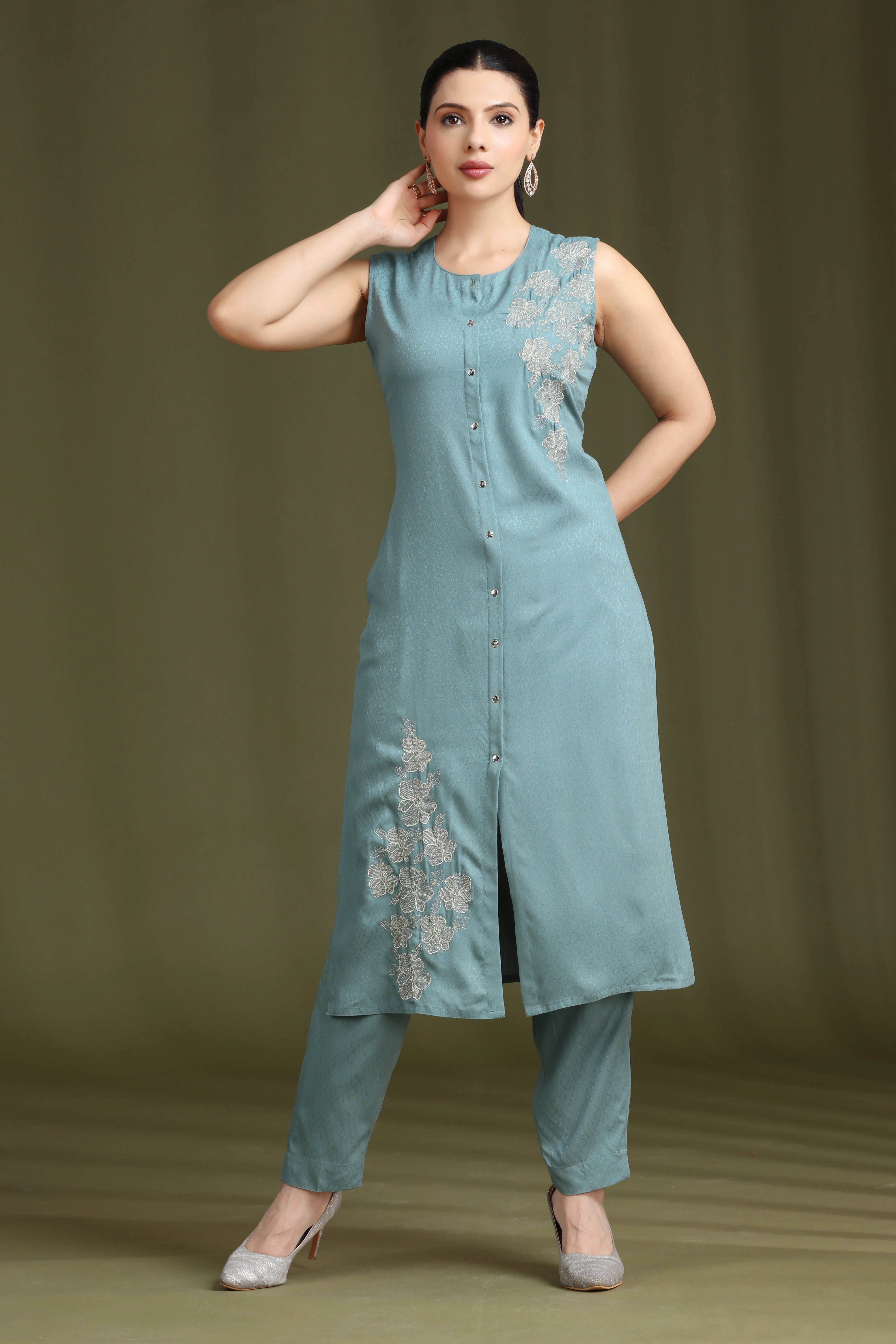
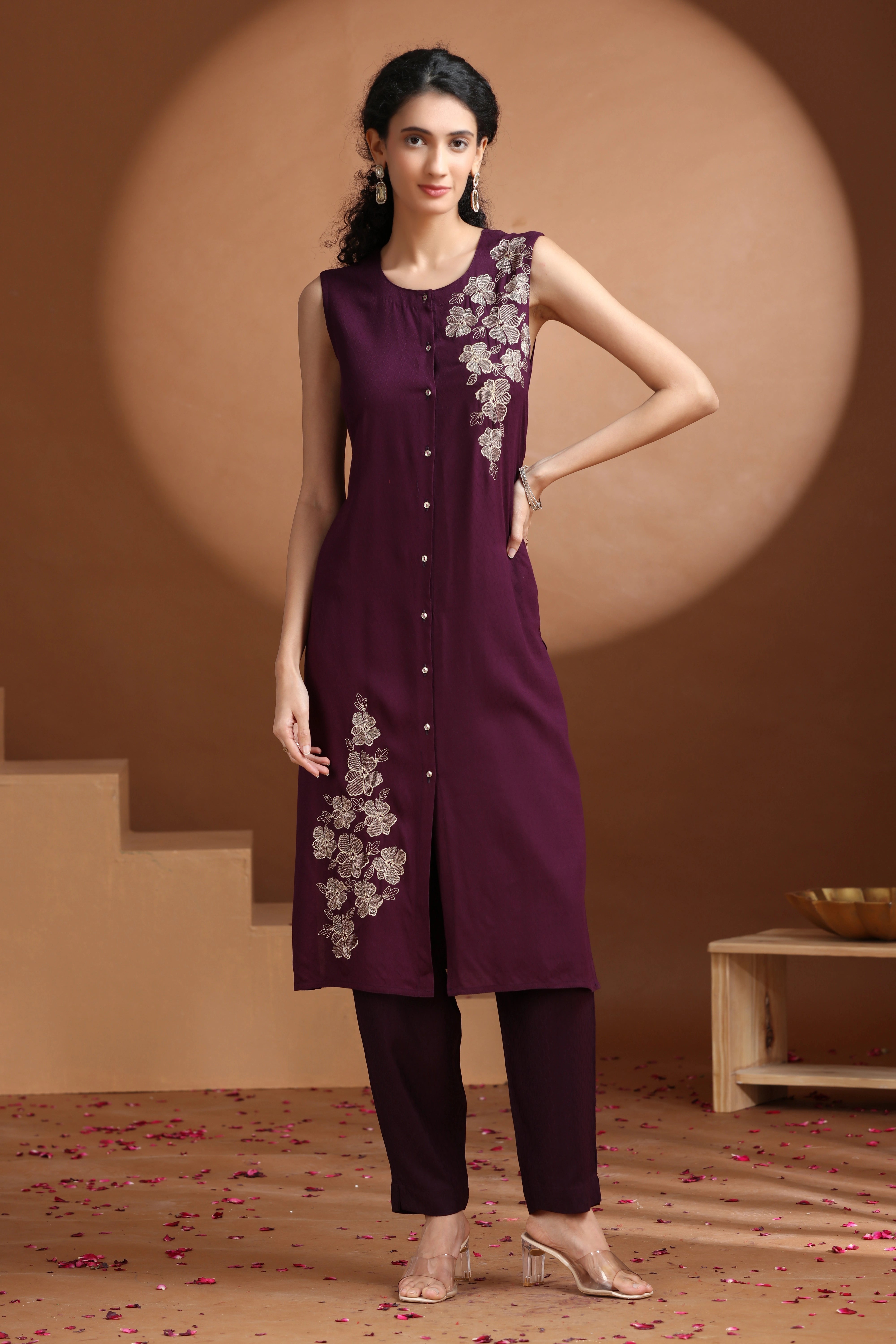
A well-made mulmul or cambric co-ord set solves multiple problems at once: it looks complete, requires no additional styling decisions, packs well for travel, and performs in both indoor and outdoor temperatures. The shift away from heavily embellished festive wear toward clean, everyday co-ord sets is one of the clearest signals we see from our customer base.
The Repeat-Wear Factor — How Fabric Holds After 20 Washes
Indian women wash clothes frequently, and hard water is a reality in most cities. A summer kurti that looks good on day one but turns rough or misshapen after ten washes has failed at its job. The repeat-wear factor is something we think about deeply when selecting fabrics for our collections.
Pre-washed and pre-shrunk fabrics perform significantly better here. Slub cotton tends to soften with repeated washing rather than deteriorating. Mulmul can thin slightly with many washes but maintains its breathability. Cambric holds its shape reliably through machine washes if the garment is washed inside out in cold or lukewarm water.
Rayon, by comparison, loses shape and lustre far more quickly — a relevant detail for women considering it as a summer alternative to cotton.
5 Common Summer Fabric Mistakes — And How to Avoid Them
• Buying by label, not by weave: "100% cotton" is not enough information. Always check for the specific fabric type — mulmul, cambric, voile. The weave structure determines comfort far more than fibre content alone.
• Ignoring humidity as a factor: Dry heat in Delhi and humid heat in Mumbai require different fabric solutions. For coastal humidity, prioritize low-GSM open weaves. For dry inland heat, slightly heavier cambric provides sun protection without excessive warmth.
• Choosing heavy blends for durability: Cotton-polyester blends feel sturdier but trap heat and hold odour far longer than pure cotton. For summer, the durability trade-off is not worth the discomfort.
• Underestimating colour psychology: Pale pastels and whites reflect heat rather than absorbing it. They also camouflage sweat marks far better than saturated darks or mid-tones. If sweat visibility is a concern — which it reasonably is for many women — pastels are a practical choice, not just an aesthetic one.
• Overlooking care labels: Voile and mulmul can be damaged by aggressive machine washing or high-heat drying. Cold water, gentle cycles, and shade drying extend the life of summer fabrics significantly.
How to Identify Pure Cotton Fabric
The most reliable home test is the burn test: pull a few threads and hold a flame to them. Pure cotton burns steadily, smells like burning paper, and leaves a fine grey ash that crumbles easily. Synthetic fibres melt, produce black soot, and leave a hard bead of residue. By touch, pure cotton feels slightly rough and matte — it does not have the smooth plasticky feel of polyester or the slippery drape of rayon.
Retailer's Advice: Matching Fabric to Your Life
The best cotton fabric for summer is not the same for every woman. It depends on where you live, how you work, and how active your daily schedule is. Here is a practical breakdown:
• Commuting in Mumbai or Chennai: Start with mulmul or voile kurtis. The humidity demands the most open weave you can find. Our mulmul kurti collection is designed specifically for that 4 PM heat spike most city commuters know too well.
• Office environments with extended AC exposure: Cambric kurti sets give you comfort through the outdoor heat while remaining professional-looking indoors. Consider a lightweight dupatta you can layer when the air conditioning drops.
• Weekend travel and casual outings: Cotton co-ord sets in slub or cambric. They pack compactly, look complete without effort, and hold up through full days of movement.
• Festive events and evening functions in summer: Voile suits and dupattas. The drape reads as festive, the fabric handles the outdoor heat between venues.
• Everyday home-to-market wear: Palazzo pants in cotton are consistently one of our most repurchased categories for a reason. Wide-leg, light, and completely practical.
Explore our full summer range: www.cottonculture.co.in
FAQ: Summer Fabric Questions Answered Directly
Is rayon good for hot weather?
Rayon is lightweight and can feel cool initially, which is why it is often marketed as a summer fabric. But it has a significant functional problem in India's climate: it absorbs moisture and holds it, which means sweat does not evaporate — it sits against the skin. In humid cities, rayon can also hold odour after extended wear. For short durations and air-conditioned environments, it is acceptable. For a full working day in Indian summer, especially with outdoor commuting, pure cotton is a better performer.
Which fabric dries fastest in humid weather?
Voile and mulmul dry the fastest among commonly available summer fabrics. Their open weave structure allows moisture to evaporate quickly rather than sitting in the fabric. Linen also dries reasonably well but slower than mulmul. Rayon dries the slowest, which makes it particularly uncomfortable in high-humidity conditions where evaporation is already reduced by the moisture in the air.
Is mulmul the same as muslin?
Mulmul and muslin are closely related — mulmul is essentially the Indian name for a loosely woven fine muslin. Modern mulmul is typically slightly heavier and more structured than Dhaka muslin of historical fame, but the weave principle is the same: fine yarn, low thread count, open structure. Both are excellent summer performers.
How do I care for mulmul and voile kurtis?
Cold water washing is strongly recommended — either by hand or on a gentle machine cycle. Avoid high-heat drying. Shade drying preserves colour and fabric integrity far better than direct sunlight. Light ironing while slightly damp gives the best results. Do not store mulmul or voile garments in compressed, airtight conditions for extended periods.
About the Author
Khushnuma Qazi is a fashion entrepreneur and Founder of Cotton Culture, a homegrown Indian women's apparel brand with 52 stores across India. With over 22 years of experience in apparel manufacturing, design, and retail expansion, she writes on Indian fashion trends, cotton-first apparel, sustainable practices, and consumer-centric retail strategies. Her insights are grounded in real-world retail experience and evolving customer preferences.


