


How to Choose the Perfect Kurta Set for Women for Daily Wear

By Khushnuma Qazi | Founder, Cotton Culture | 22+ Years in Indian Apparel & Retail | 52 Stores Across India
cottonculture.co.in
Most women don't have a closet problem. They have a decision-fatigue problem. You open the wardrobe at 7:30 AM, knowing you have a client meeting by 10, a long commute in between, and humidity that will hit 80% by noon — and nothing feels right. Too formal. Too casual. Too synthetic. Too heavy. That moment of standing in front of a full wardrobe and feeling like you have nothing to wear? That's not a style failure. That's a wardrobe curation failure. And kurta sets for women, when chosen correctly, solve it almost completely.
I've spent 22+ years building Cotton Culture from a two-store ethnic wear brand in 2010 to 52+ stores across India. The one question I've been asked more than any other, across every store and season: "How do I choose the right kurta set?" This guide is my answer — practical, climate-aware, and built around the real life of the modern Indian woman.
The Five Things Every Daily Wear Kurta Set Should Offer — The 5F Framework
|
⚡ Quick Answer — What to Look For in a Kurta Set Fabric (breathability), Fit (body-appropriate silhouette), Function (pockets, slits, versatility), Frequency (wash-durability), and Flexibility (can it do two occasions?). |
Before buying anything, run it through these five filters. A kurta set that passes all five is worth every rupee. One that fails two or more is wardrobe clutter waiting to happen.
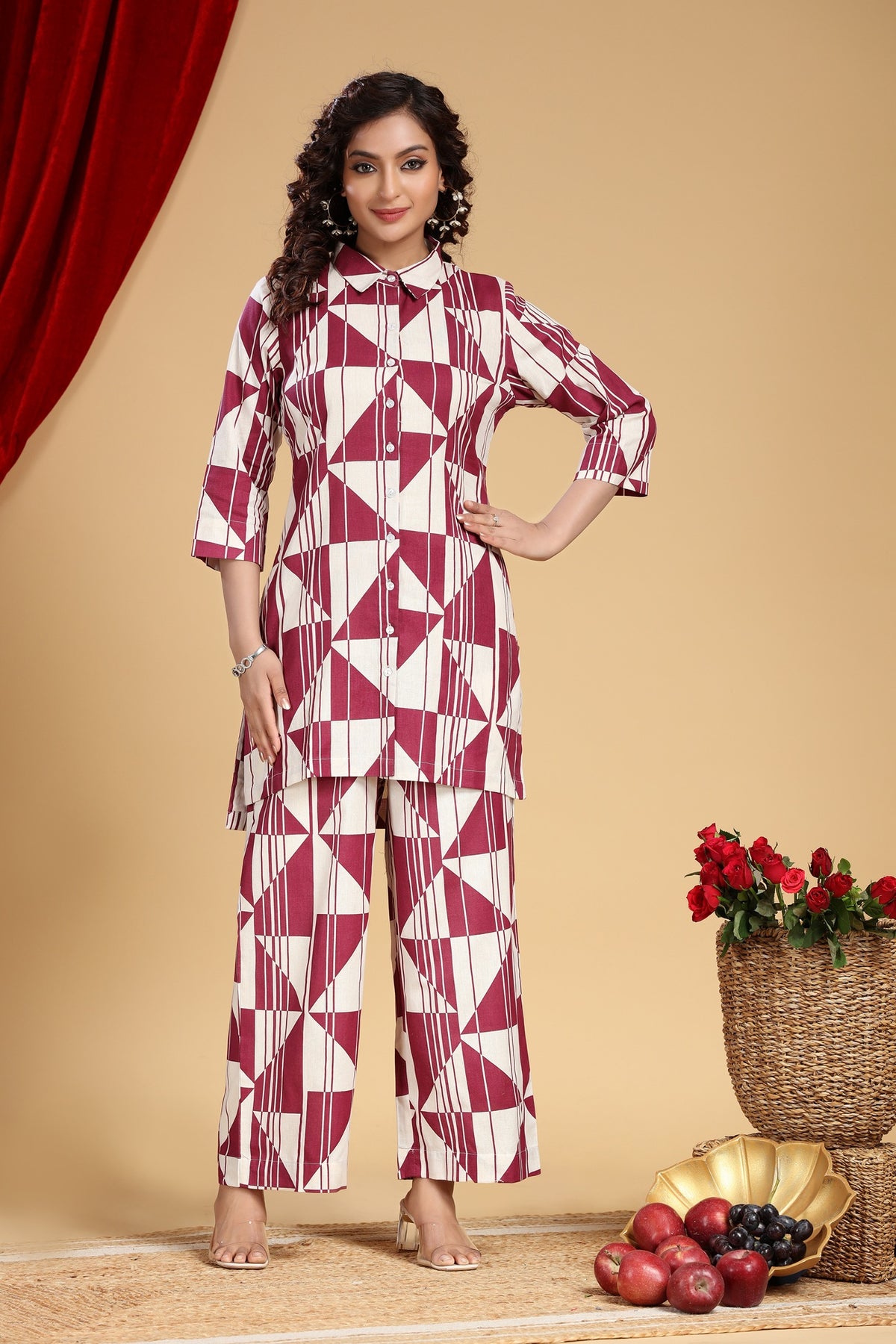
1. Fabric — The Non-Negotiable
The fabric is the product. Everything else is secondary. For daily Indian wear, breathability isn't a feature — it's a survival requirement. Cotton, cambric, mulmul, slub cotton: these aren't marketing words. They're the difference between a kurta that works through a Pune summer and one that you peel off the moment you get home.
2. Fit — Your Silhouette, Not the Mannequin's
A kurta set that fits the mannequin perfectly but fights your shoulders and hips all day is a return waiting to happen. Fit is deeply personal. A-line kurtas read elegant on most body types. Straight-cut works for lean and athletic frames. Anarkali adds volume — which is beautiful for petite builds, but can overwhelm if you're already tall and broad-shouldered.
3. Function — What Does It Actually Do?
Does it have pockets? Side slits for ease of movement? A neckline you can wear without having to rethink your undergarment? Function is where daily wear wins or loses. I cannot overstate how often I've heard from customers: "The fabric is gorgeous, but I can't sit comfortably." That's a function failure, not a style choice.
4. Frequency — Built for Washing
Daily wear means 2-3 washes per week, minimum. Pre-washed cotton holds its shape. Non-pre-washed cotton shrinks — usually at the worst possible time, usually on the best piece you own. Check: is the fabric pre-washed and pre-shrunk? Will the print bleed after the third wash? Does the stitching hold under machine cycles? These aren't small questions.
5. Flexibility — One Set, Multiple Occasions
The best daily wear kurta set you own is the one you can wear to the office on Tuesday and to a casual family dinner on Friday without it looking forced. That's not luck — it's deliberate design. Solid-color kurtas with printed dupattas offer instant occasion-shift. Subtle prints in block or Ajrakh styles read festive with statement jhumkas, professional with simple studs.
|
💡 Founder's Retail Insight — Khushnuma Qazi, Cotton Culture After managing 52+ stores across India, the most returned items aren't the ones women disliked. They're the ones that were bought for a single occasion and never re-worn. I design every Cotton Culture kurta set to carry at least three distinct looks — because a garment that earns its wardrobe space is one a woman will come back to buy again. |
Which Fabric Is Best? The Climate-Centric Guide
|
⚡ Quick Answer — Best Fabric for Daily Wear Kurta Set Pure cotton (cambric or mulmul) is the best fabric for everyday kurta sets in India's heat. Cotton-rayon blends offer wrinkle-resistance for structured office looks but sacrifice some breathability in high-humidity cities like Mumbai. |
Fabric is never a one-size answer in a country that spans the Thar Desert and the Kerala coastline. Climate-specific fabric choice isn't a luxury — it's practical science.
|
Fabric Type |
Best Climate / Use Case |
Pros / Cons |
|
Pure Cotton (Cambric) |
Delhi summer, Pune, Nagpur — dry heat |
Breathes excellently, skin-friendly | Wrinkles under pressure, needs ironing |
|
Mulmul / Muslin Cotton |
Mumbai, Kochi, Chennai — coastal humidity |
Ultra-light, maximum airflow | Delicate; not ideal for structured office wear |
|
Slub Cotton |
Year-round, all cities |
Natural texture, improves with each wash | Slightly thicker; less ideal for 40°C+ dry heat |
|
Cotton-Rayon Blend |
Office / AC environments — 9-to-5 use |
Holds dye well, resists wrinkles | Loses breathability fast in outdoor Mumbai-level humidity |
|
Cotton-Linen Blend |
South India, coastal cities, festive wear |
Structured, elegant drape | Can feel stiff; requires break-in period |
|
Chanderi Cotton |
Festive, evening occasions |
Lightweight, beautiful sheen | Requires dry cleaning; not for daily machine wash |
A note on cotton-rayon: it's a fabric I see a lot of brands pushing because it photographs beautifully and holds colour brilliantly. And it does. But cotton-rayon blends often hold dyes better than pure cotton while losing breathability in Mumbai-level humidity. If your daily commute involves a local train in July, this matters.
For Delhi's dry heat — 40°C with low humidity — cambric cotton is the clear winner. Lightweight, crisp, and it doesn't cling. For Mumbai's layered summer humidity, mulmul is what I'd reach for every time. It's almost weightless on the skin.
How to Choose a Kurta Set Based on Body Type
|
⚡ Quick Answer — Kurta Set Silhouettes by Body Type A-line for pear-shaped frames; straight-cut for apple-shaped; Anarkali for petite builds; high-low hemlines for tall frames. The dupatta placement also shifts the visual line significantly. |
One of the most reliable pieces of advice I give in-store: the silhouette of your kurta should balance, not compete with, your natural shape. This isn't about hiding anything. It's about proportion.
• Pear-shaped frame (wider hips, narrower shoulders): A-line kurtas create a natural flare that balances the hip-to-shoulder ratio. Avoid straight-cut kurtas that end at the hip — they draw attention exactly where you don't want it.
• Apple-shaped frame (broader midsection): Empire-waist kurtas that flow from just below the bust create elongation. Long straight kurtas in solid or vertical-print fabrics also work well. Avoid belted styles or cinched waists.
• Petite build (under 5'3"): Shorter kurta lengths (mid-thigh rather than knee-length) with slim palazzo pants or straight-cut churidars elongate the frame. Avoid heavy Anarkali styles — the volume can overwhelm a petite silhouette.
• Tall and lean frame: Almost everything works, but high-low hemlines and layered dupatta styling add visual interest. Long Anarkali suits read particularly elegant.
• Plus-size and curvy frames: A-line and straight cuts in solid or tonal prints are your best allies. Avoid extremely fitted kurtas or very busy all-over prints at larger sizes — they don't photograph or wear well.
The dupatta, by the way, is an underrated styling tool. Draping it across one shoulder pulls the eye vertically — creating length. Wearing it across both shoulders broadens the upper body. These are simple shifts that make a real difference on different body types.
7 Buying Mistakes That Turn Good Kurta Sets Into Wardrobe Regret
Buying for the trend is the fastest way to waste money on ethnic wear. I've watched it happen across 52+ stores and 22 years. These are the seven mistakes I see most often — and the logic behind avoiding each one.
Mistake 1: Buying for the Occasion, Not the Wardrobe
A kurta set bought exclusively for one wedding or one festival will sit in your wardrobe for eleven months and feel wrong every time you look at it. Ask yourself: can this work for three different occasions? If not, it's a costume, not a garment.
Mistake 2: Ignoring the Bottom Wear
The kurta gets all the attention. The bottom gets none. But a palazzo that doesn't sit right at the waist, or a pant that's too narrow for your hips, will ruin the entire set. Always try the complete set — don't judge the kurta alone.
Mistake 3: Choosing Fabric by Look, Not by Feel
A kurta that looks stunning on the hanger but feels like a polythene bag at noon in June is a very specific kind of disappointment. Touch the fabric. Move in it. Ask: how will this feel at 3 PM on a Wednesday? That's the real test.
Mistake 4: Skipping the Wash-Care Label
If a daily wear kurta requires dry cleaning, it's not daily wear. Check the care label before buying. A high-quality cotton kurta should be machine-washable and colour-stable through 30-40 wash cycles, minimum.
Mistake 5: Buying One Size Too Small "For Motivation"
This one I've heard with remarkable consistency across 22 years. A kurta bought in a size you're working toward will remain on the hanger. Buy for the body you have today. Clothes that fit well, look good, and feel comfortable are the ones that actually get worn.
Mistake 6: Ignoring Cost-Per-Wear Economics
A ₹500 kurta worn 5 times costs ₹100 per wear. A ₹1,500 Cotton Culture cotton kurta set worn 200 times — which our repeat customers consistently do — costs ₹7.50 per wear. Quality ethnic wear isn't expensive. It's the cheapest thing in your wardrobe when you calculate it correctly.
Mistake 7: Not Accounting for Climate
Buying a beautiful heavy chanderi kurta set in Ahmedabad in April is optimistic. Buying mulmul in Shimla in November is also optimistic, just in the opposite direction. India's climates are genuinely different. What breathes in Mumbai suffocates in Rajasthan winter heat. Buy fabric for your actual weather.
|
💡 Founder's Retail Insight — Khushnuma Qazi, Cotton Culture The cost-per-wear model changed how I think about pricing strategy at Cotton Culture. When we held our fabric standards firm — even when cheaper blends would have improved margins — it was because I knew a kurta worn 200 times at ₹1,200 is a better deal for the customer than a ₹400 kurta that falls apart after 15 washes. Honest pricing and quality retention are the same business decision. |
The Repeat Styling Framework: 1 Kurta Set, 5 Different Looks
|
⚡ Quick Answer — How to Style One Kurta Set Multiple Ways Change your dupatta drape, swap footwear, add or remove accessories, and vary your bottom wear. One well-chosen kurta set can produce 5 distinct looks without buying anything new. |
The most sustainable wardrobe isn't the biggest one — it's the most versatile one. A good kurta set is a capsule, not a single outfit. Here's how to extract maximum value from one well-chosen set:
• Look 1 — Office Monday: Pair the kurta with straight-cut cotton pants. Keep the dupatta simple — tucked into the waistband or left out. Flat kolhapuris or block heels. Minimal jewellery.
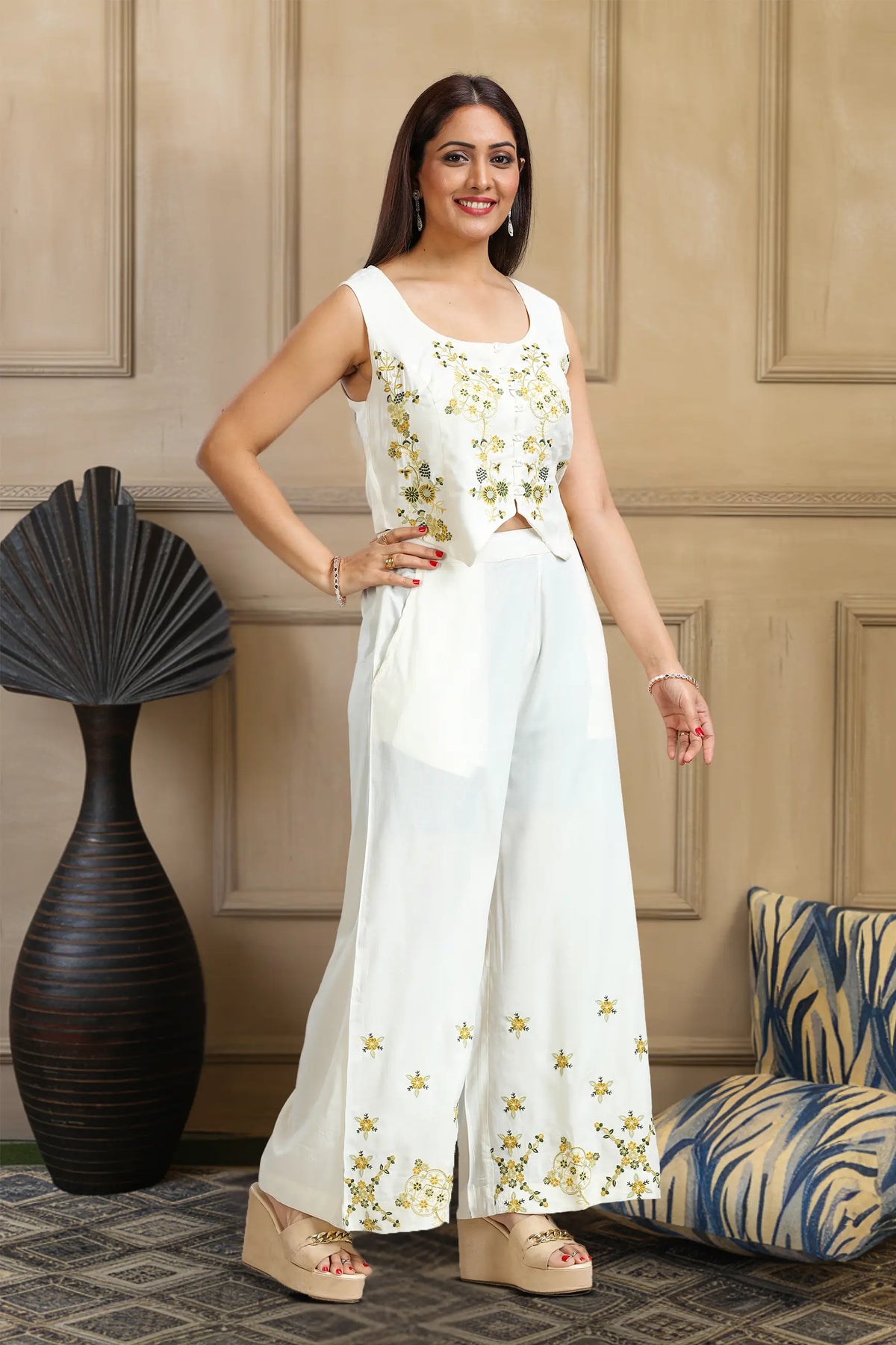
• Look 2 — Casual Outing: Same kurta, but now with wide-leg palazzos. Throw the dupatta loosely over one shoulder. Slip-on juttis. A jhumka if you're feeling festive.
• Look 3 — Family Gathering: Change the dupatta entirely — go heavier, with embroidery or a contrasting print. Add a bangle set. The kurta suddenly reads festive.
• Look 4 — Weekend Errand Run: Skip the dupatta entirely. Pair with straight-cut churidar or leggings. Sneakers work better than you'd expect with a clean kurta. Comfortable, modern, still ethnic.
• Look 5 — Evening Out: Drape the dupatta across both shoulders, pin it at the waist. Heeled sandals. Statement earrings. A clutch instead of a tote. The same kurta, now dressed for dinner.
This isn't theory. This is exactly how the women who get the most value from our Cotton Culture kurta sets wear them. The women who return every season aren't buying more — they're buying smarter.
What Cotton Culture Has Learned Across 52+ Stores and Two Decades
Running 52+ self-managed stores across India — from metro malls in Mumbai to high streets in Kolhapur — teaches you things that no trend report can. Our Kolhapur Rajarampuri store holds a 4.9/5 rating on Justdial. Our R City Mall, Ghatkopar outlet sits at 4.1/5 across 117 reviews. That feedback is a real-time education in what Indian women actually want from their ethnic wear.
Pockets Are Not Optional
The single most consistent piece of feedback across stores, across cities, across five years of customer interaction: "Does it have pockets?" In 2025, a kurta set without functional pockets is an incomplete garment. We design ours accordingly. A kurta that carries a phone without looking stuffed is a better garment. This is not a small thing.
Side Slits Are Functional, Not Just Fashion
Customers in our Tier-2 stores — Nashik, Kolhapur, Sangli — walk longer. Stand more. Climb stairs in their daily life without elevators and escalators. A kurta with properly placed side slits at the right height moves with the body instead of against it. Slits that are too low expose. Slits that are too high look informal. We spend real time on this.
Stitch Quality Determines Longevity
200 washes is the standard I hold Cotton Culture garments to. That means thread count matters. That means the seam allowance matters. That means the finishing at armholes and necklines matters. A kurta that starts fraying at the collar after 10 washes was never properly finished. Our stitching is reinforced at all stress points — armholes, side seams, neckline — because those are exactly where cheaper garments fail first.
Tier-2 Cities Have Different Colour Preferences
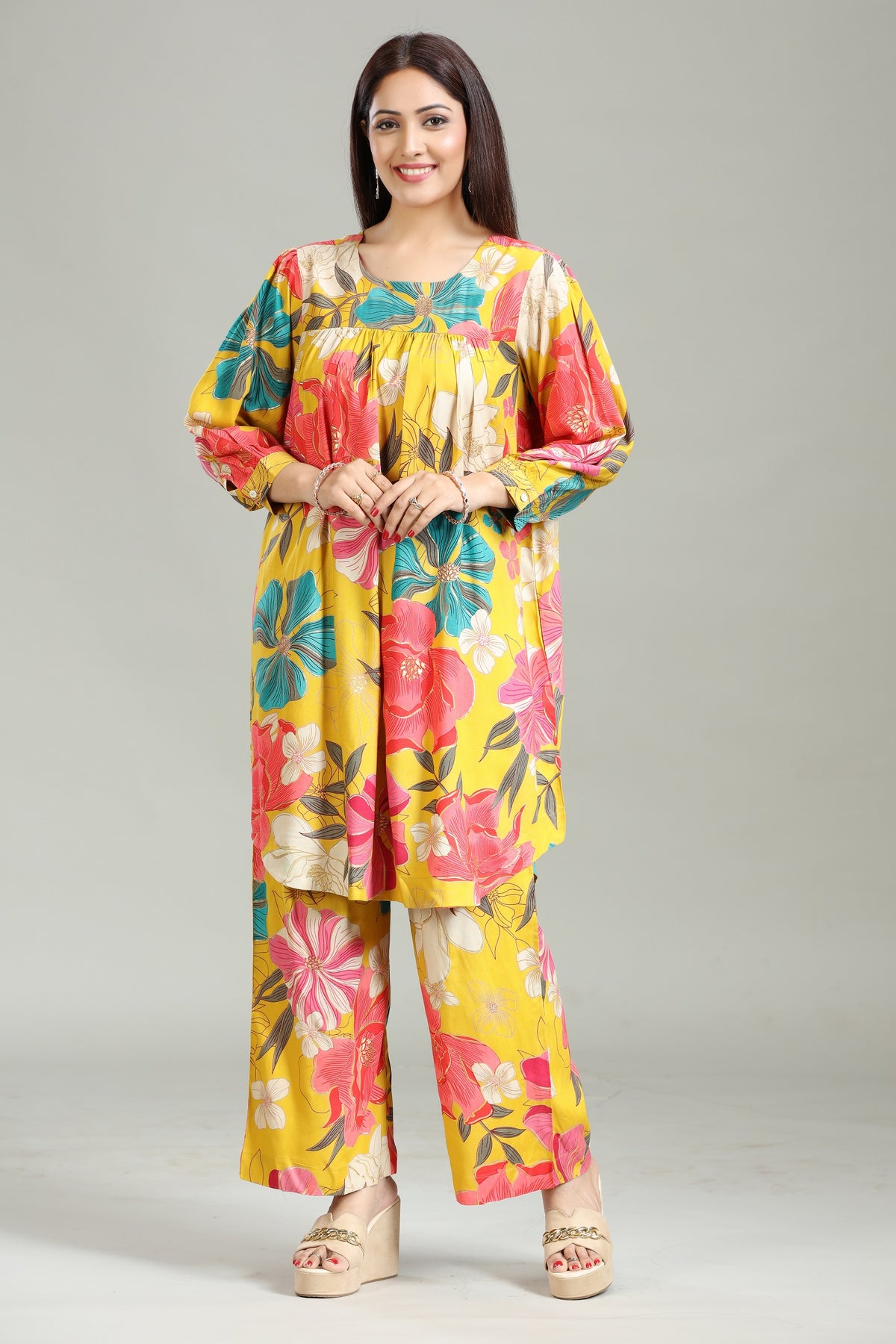
This surprised me early on: earthy tones, deep teals, and floral prints on off-white backgrounds sell disproportionately well in Tier-2 and Tier-3 cities. In metro markets — Mumbai, Pune — clean neutrals and geometric block prints lead. Our buying strategy now reflects this geography. One collection, two inventory emphases.
|
💡 Founder's Retail Insight — Khushnuma Qazi, Cotton Culture When we opened our 10th store, I thought scale would make things simpler. It made them more complex — and more interesting. Every new city taught us something new about what women actually live in, not just what they buy. The feedback from Kolhapur shaped our palazzo cut. The feedback from Mumbai shaped our fabric weights. That's not marketing — it's retail science. |
How Many Kurta Sets Should You Actually Own?
|
⚡ Quick Answer — Ideal Kurta Set Count for a Working Week 5 to 7 kurta sets is the ideal rotation for a working woman. This allows daily wear without repeat within a week, proper wash-and-dry cycles, and season-appropriate swaps without wardrobe overload. |
The 5-7 rotation model is simple math. Five working days, plus one or two buffer sets while the others are in the wash — especially important in Indian summer when you may need to change mid-day or after a commute. Beyond 10 sets, most women find that the least-worn pieces start to feel like clutter.
|
Wardrobe Size |
Best For |
Rotation Strategy |
|
3-4 sets |
Freelancers / WFH setups |
Suits lighter wash cycles; limited variety |
|
5-7 sets |
Working women, daily commuters |
Ideal — full 5-day rotation with buffer |
|
8-10 sets |
Women with frequent social calendars |
Covers daily wear + 3-4 occasion sets |
|
10+ sets |
Retailers, fashion-forward buyers |
Risk of decision fatigue; rotate seasonally |
A practical note: rotate by season, not just by occasion. Keep 3-4 lightweight mulmul or cambric sets in active rotation through April to September. Bring in your heavier cotton-linens and chanderi sets October onwards. This extends the life of every garment and keeps the wardrobe feeling fresh.
Palazzo Sets vs. Pant Sets: Which Should You Choose?
|
⚡ Quick Answer — Palazzo Sets vs Pant Sets Palazzos offer maximum airflow and are better for hot, humid climates. Pant sets provide structure and work better in AC office environments. For daily wear across Indian summers, palazzo sets are the practical choice. |
|
Parameter |
Palazzo Kurta Set |
Pant Kurta Set |
|
Airflow & Comfort |
Excellent — wide leg allows circulation |
Moderate — depends on cut and fabric |
|
Office Appropriateness |
Good with structured kurta |
Excellent — cleaner silhouette |
|
Festive Versatility |
High — drapes festively |
Moderate — reads more formal |
|
Ease of Movement |
Maximum — ideal for long commutes |
Comfortable in straight-cut fits |
|
Body Type Fit |
Flatters most frames |
Best for lean and proportionate builds |
|
Maintenance |
Low — fewer seams, easy ironing |
Medium — needs crisper pressing |
If you live in coastal Maharashtra, Tamil Nadu, or West Bengal — where humidity is a seasonal reality — palazzos aren't just a style preference. They're the logical choice. The wide leg allows air movement that a tapered pant simply can't match.
If you work in a heavily air-conditioned office environment where the temperature difference between inside and outside can be 15 degrees — structured pant sets in cotton-rayon blends or cotton-linen handle that thermal range better.
Frequently Asked Questions
What is the best fabric for a daily wear kurta set?
|
⚡ Quick Answer Pure cotton — specifically cambric or mulmul — is the best fabric for daily wear kurta sets in India. It breathes in heat, absorbs moisture before you feel it, and holds up through repeated machine washing without losing shape or colour. |
Are palazzo sets better than pant sets for everyday wear?
It depends on your climate and commute. Palazzos are significantly better for airflow in humid cities like Mumbai or Chennai. Pant sets in structured fabrics are better suited for AC-heavy office environments where you need a cleaner, more tailored silhouette. Most women who work in Indian metros benefit from owning both.
How many kurta sets should a woman own for a workweek?
Five to seven kurta sets is the practical sweet spot. That's a full five-day rotation without repeat, plus a buffer for wash-and-dry cycles. In summer, when you may need a fresh set mid-day, the buffer matters more than you'd think.
Kurti set ke liye kaun sa fabric best hai? (Which fabric is best for a kurti set?)
Rozmarra pehanne ke liye pure cotton — especially cambric ya mulmul — sabse behtar hota hai. Yeh Indian garmi mein breathable rehta hai, baar baar dhone ke baad bhi shape maintain karta hai, aur skin ke liye comfortable hota hai.
Kya palazzo set ya pant set better hai daily wear ke liye?
Yeh aapke sheher ke climate aur commute pe depend karta hai. Agar aap Mumbai, Chennai, ya Kochi mein rehti hain — jahaan humidity zyada hoti hai — toh palazzo sets zyada comfortable rehte hain. Office environments mein pant sets zyada structured lagte hain.
How do I care for cotton kurta sets to make them last longer?
Machine wash in cold water, inside out, to protect print and colour. Avoid tumble drying — hang in shade, not direct sunlight, which fades dye over time. Iron at medium heat while slightly damp for the cleanest finish. Pre-washed cotton kurtas from quality brands will hold their shape through 30-40 wash cycles with this routine.
What size kurta set should I buy if I'm between sizes?
Always size up, not down. A kurta that's slightly roomy can be styled with a tighter dupatta drape or a belt. A kurta that's too tight looks strained at the seams and is uncomfortable by mid-morning. For Cotton Culture, size charts are available across all platforms — measure at the bust and the hips and check both before ordering.
|
Shop Cotton Culture Kurta Sets Browse our full collection of breathable cotton kurta sets, co-ord sets, palazzo sets, and dupattas at cottonculture.co.in — with 52+ stores across India and availability on Myntra, AJIO, Amazon, and Flipkart. |
About the Author
Khushnuma Qazi is a fashion entrepreneur and Founder of Cotton Culture, a homegrown Indian women's apparel brand with 52+ stores across India. With over 22 years of experience in apparel manufacturing, design, and retail expansion, she writes on Indian fashion trends, cotton-first apparel, sustainable practices, and consumer-centric retail strategies. Her insights are grounded in real-world retail experience and evolving customer preferences.
LinkedIn: https://www.linkedin.com/in/khushnuma-qazi-b61852259/


