


Sustainable Fabrics: Cotton & Khadi Guide for India
Sustainable Fabrics: Why Cotton & Khadi Are the Best Choices for Indian Fashion
By Khushnuma Qazi | Founder, Cotton Culture | 22+ Years in Indian Apparel & Retail | 52 Stores Across India
Twenty-two years in Indian apparel teaches you one non-negotiable truth: the fabric is everything. I have stood in our Cotton Culture stores during peak Mumbai summers — watching women walk in, press a kurta against their arm, and immediately tell whether it breathes. They know. Every Indian woman who has worn a bad synthetic in 40°C Nagpur heat knows. And that is exactly why, in 2026, the conversation around sustainable fabrics is no longer a trend. It is a necessity — for our skin, our climate, and our planet.
What Are Sustainable Fabrics?
|
⚡ Quick Answer Sustainable fabrics are textiles made with minimal environmental damage — from responsible farming and low-chemical processing to natural biodegradability. In India, fabrics like organic cotton, khadi, and linen have always embodied these values. They are breathable, durable, and kind to the earth. |
The term eco friendly fabrics gets thrown around a lot these days. But here is what it actually means: a fabric is truly sustainable when it consumes less water, uses fewer or no harmful chemicals in production, supports the livelihoods of artisans or farmers, and eventually breaks down naturally after its life ends. These are called biodegradable textiles.
India has an extraordinary head start here. Our textile heritage — handloom weaving, hand-spinning, block printing with natural dyes — is sustainable by design. We were doing slow fashion centuries before the West coined the phrase.
Why Sustainable Fabrics Matter in Today's Fashion Industry
Let me give you a number that stopped me cold when I first read it: conventional synthetic textiles — primarily polyester and nylon — account for nearly 60% of global fibre production. They shed microplastics with every wash. They do not biodegrade. They sit in landfills for hundreds of years.
Fast fashion runs on this model. A new collection every two weeks, garments designed to last 10 washes, prices so low they cannot possibly reflect fair wages. The cost is hidden — in polluted rivers, in exhausted farmers, in mountains of discarded clothing.
Ethical fashion — and its closely related cousin, slow fashion — offer a different model entirely. Buy less. Choose better. Wear longer. When I started Cotton Culture back in 2010, we built the brand around that philosophy without even knowing there was a name for it. Cotton kurtas that survive 200 washes. Fabrics that get softer with every cycle. That is sustainable retail, lived every day.
|
�� Founder's Insight — Khushnuma Qazi At Cotton Culture, we never chased synthetic blends for their shine or their stretch. I have always believed that what looks good in a photograph has to feel good at 3 PM on a Wednesday. Natural fabrics are the only answer to that test. |
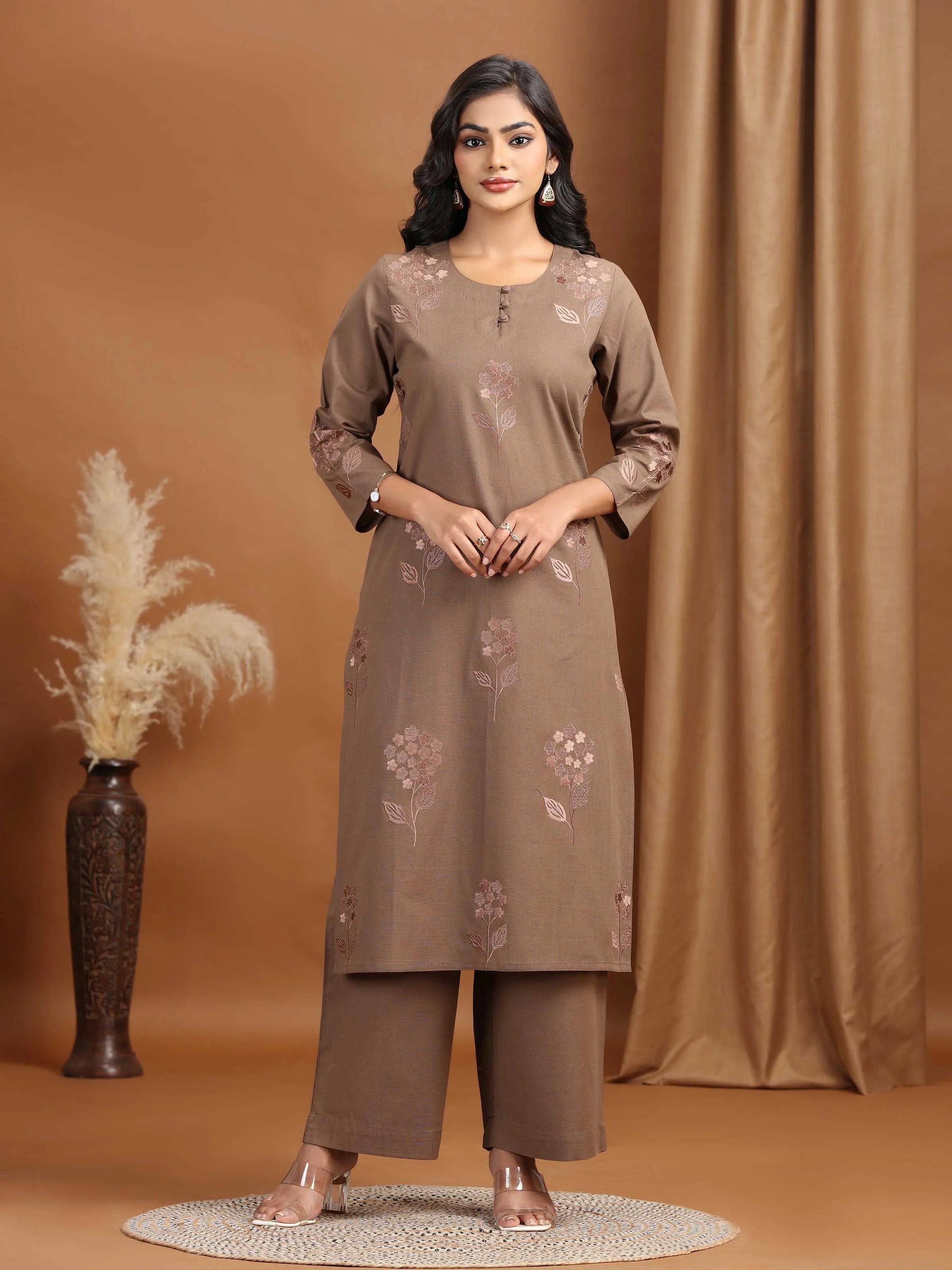
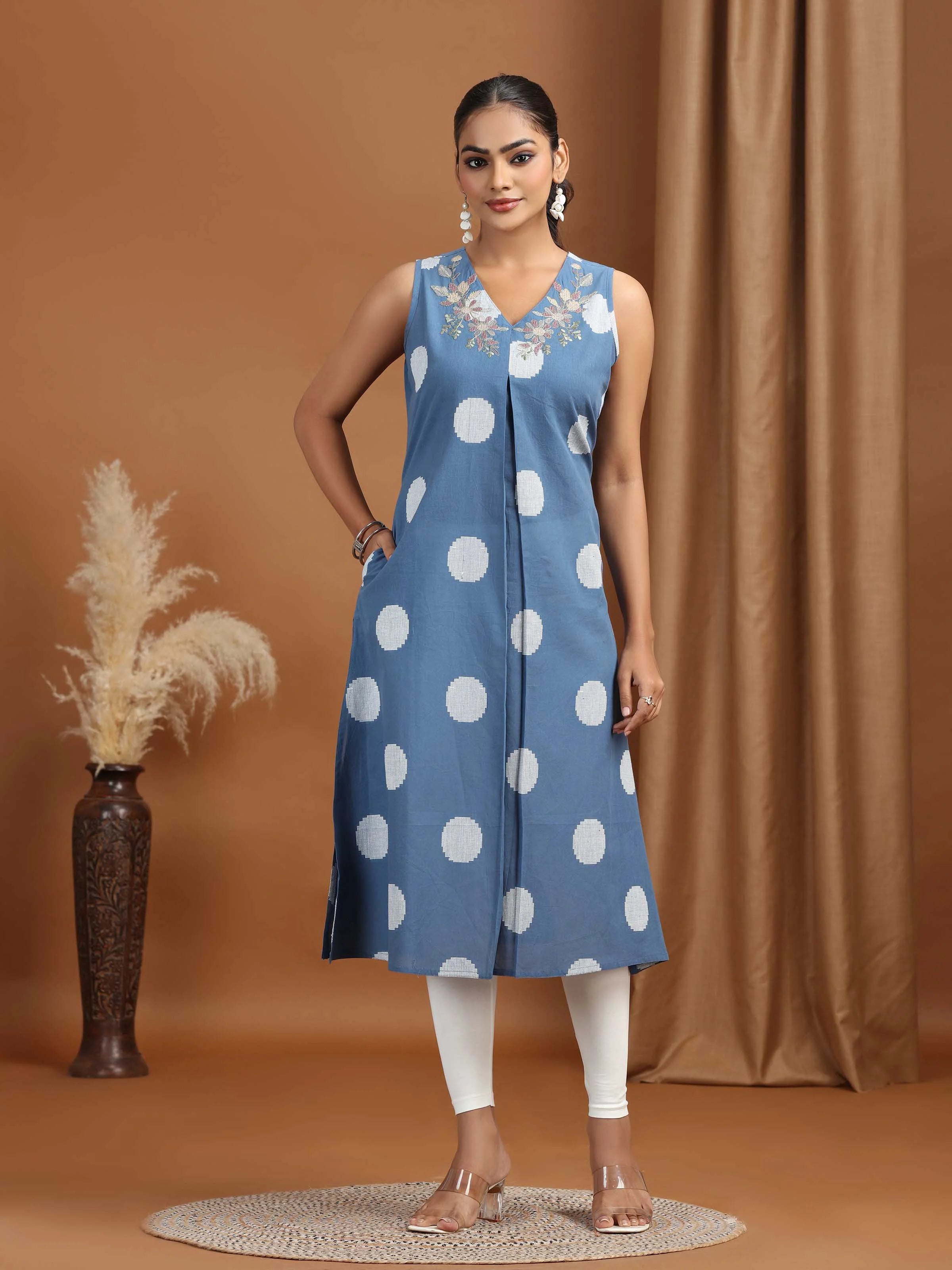
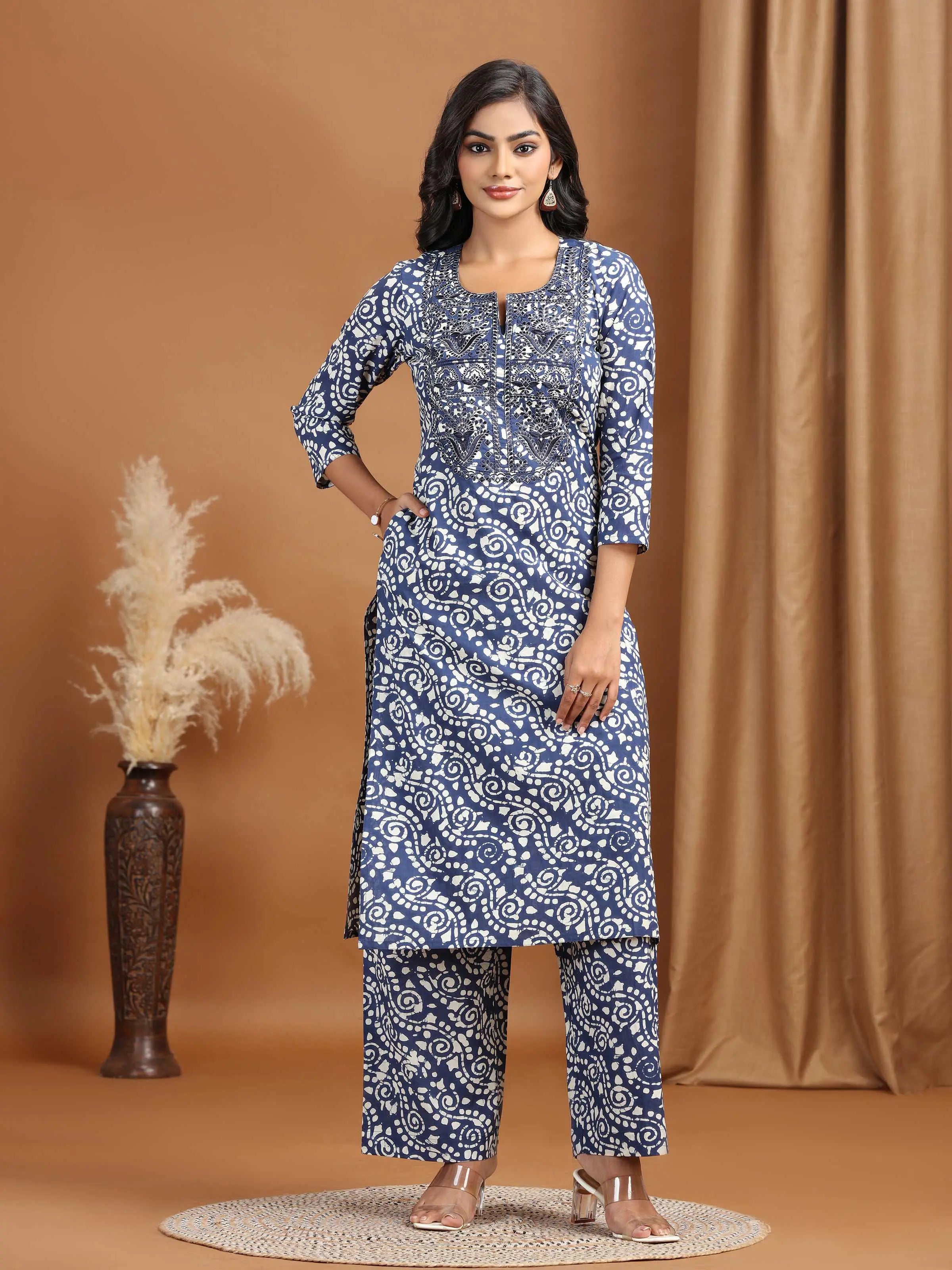
Types of Sustainable Fabrics You Should Know
Not all natural fabrics for clothing behave the same way. Here is a practical breakdown of the four most important ones for Indian women:
Organic Cotton
Organic Cotton is grown without synthetic pesticides or fertilisers. It uses significantly less water than conventional cotton — and far fewer chemicals reach the soil and water supply. The result? A fabric that is soft, breathable, and safer for your skin.
• Breathability: High — ideal for hot, humid Indian summers
• Skin safety: Free from harsh chemical residues
• Durability: Holds its shape and colour through repeated washing
• Best for: Everyday kurtis, kurta sets, palazzo suits
• Certification to look for: GOTS (Global Organic Textile Standard)
Khadi
Khadi is hand-spun and hand-woven using a charkha — the same spinning wheel that Mahatma Gandhi made a symbol of India's independence movement. This Khadi + Indian heritage + Gandhi connection runs far deeper than nostalgia. Khadi requires zero electricity to produce. Every metre of it supports a skilled artisan. Its coarse, natural slub texture means it breathes exceptionally well in both heat and mild cold.
• Carbon footprint: Among the lowest of any textile — entirely handmade
• Energy use: Zero electricity in spinning and weaving
• Texture: Natural slub with unique hand-feel that improves with age
• Best for: Festive kurtas, ethnic suits, statement co-ord sets
• Cultural value: UNESCO-recognised Indian heritage craft
Linen
Linen is made from the flax plant and uses far less water than cotton in production. Every part of the flax plant is used — near zero waste. Its crisp texture and cooling properties make it one of the best choices for Indian summers, particularly for formal and semi-formal wear.
• Water efficiency: Flax needs minimal irrigation
• Biodegradability: Fully natural, breaks down cleanly
• Look and feel: Structured, elegant, ages gracefully
• Best for: Office suits, co-ord sets, structured tunics
Tencel (Lyocell)
Tencel is a modern sustainable textile made from wood pulp — usually eucalyptus — in a closed-loop process where 99% of the chemical solvent is recovered and reused. It drapes beautifully, feels silky against the skin, and has a significantly low carbon footprint compared to synthetics.
• Source: Sustainably farmed eucalyptus or beech wood
• Feel: Soft as silk, breathes like cotton
• Environmental impact: Closed-loop production — minimal waste
• Best for: Fusion wear, flowy kurtas, contemporary ethnic silhouettes
Sustainable Fabrics vs Synthetic Fabrics
Before you reach for that polyester kurta because it looks bright on the rack, take a moment to compare.
|
Feature |
Sustainable Fabrics |
Synthetic Fabrics |
|
Breathability |
High — natural air circulation |
Low — traps heat and moisture |
|
Environmental Impact |
Low — biodegradable, low chemicals |
High — microplastics, non-biodegradable |
|
Comfort |
High — soft, skin-friendly |
Medium — often causes irritation |
|
Durability |
High — improves with washing |
Medium — pills, fades faster |
|
Carbon Footprint |
Low — especially for khadi and linen |
High — petroleum-based production |
|
Wearability in Heat |
Excellent — wicks moisture naturally |
Poor — sticks to skin in humidity |
|
After-life |
Biodegrades naturally |
Sits in landfills for 200+ years |
The table speaks for itself. In every meaningful category — from everyday comfort to long-term environmental impact — organic cotton fabric, khadi, linen, and Tencel outperform synthetics. For Indian women dressing through the country's punishing summers and humid monsoon months, the choice of natural fabrics for clothing is not just ethical. It is practical.
Why Cotton & Khadi Are Ideal Sustainable Fabrics for India
India is not a temperate country. Summers in Nagpur regularly cross 45°C. Coastal cities like Mumbai, Chennai, and Kochi layer that heat with 80–90% humidity through June and September. When you wear a synthetic fabric in that environment, you know it within an hour.
Cotton absorbs up to 27 times its own weight in moisture before it even begins to feel damp. It allows air to circulate close to the skin. A well-woven cotton kurta at noon in a Pune summer is still wearable. That is why cotton has been India's primary textile for thousands of years — and why it remains the best fabric for Indian summer today.
Khadi adds another layer of meaning. When Mahatma Gandhi made the charkha the symbol of India's freedom movement in the early 20th century, he was not just making a political statement. He was recognising that khadi production — hand-spun, hand-woven, community-driven — represented a model of economic self-reliance. Today, that same model is what makes khadi one of the most genuinely ethical fashion choices available anywhere in the world.
Every metre of khadi you buy supports a weaver. It requires zero electricity to produce. The fabric itself is biodegradable. And it wears and breathes beautifully in India's climate. It is Indian heritage in the truest sense.
How to Choose the Right Sustainable Fabric for Your Daily Wear
After 22 years of watching women shop across Cotton Culture stores in cities like Kolhapur, Airoli, and Ghatkopar, I have learned that fabric choice is occasion-specific. Here is my straightforward guide:
|
Occasion |
Recommended Fabric |
Why It Works |
|
Daily office wear |
Cotton cambric / cotton poplin |
Structured, crisp, breathes through long meetings |
|
College or casual outings |
Slub cotton / organic cotton |
Relaxed, comfortable, washes easily |
|
Work-to-evening events |
Linen / Tencel blend |
Holds shape, drapes elegantly |
|
Festive & special occasion |
Khadi / chanderi cotton |
Culturally rich, breathable, statement fabric |
|
Summer every day |
Mulmul / cotton voile |
Lightest weave, maximum airflow |
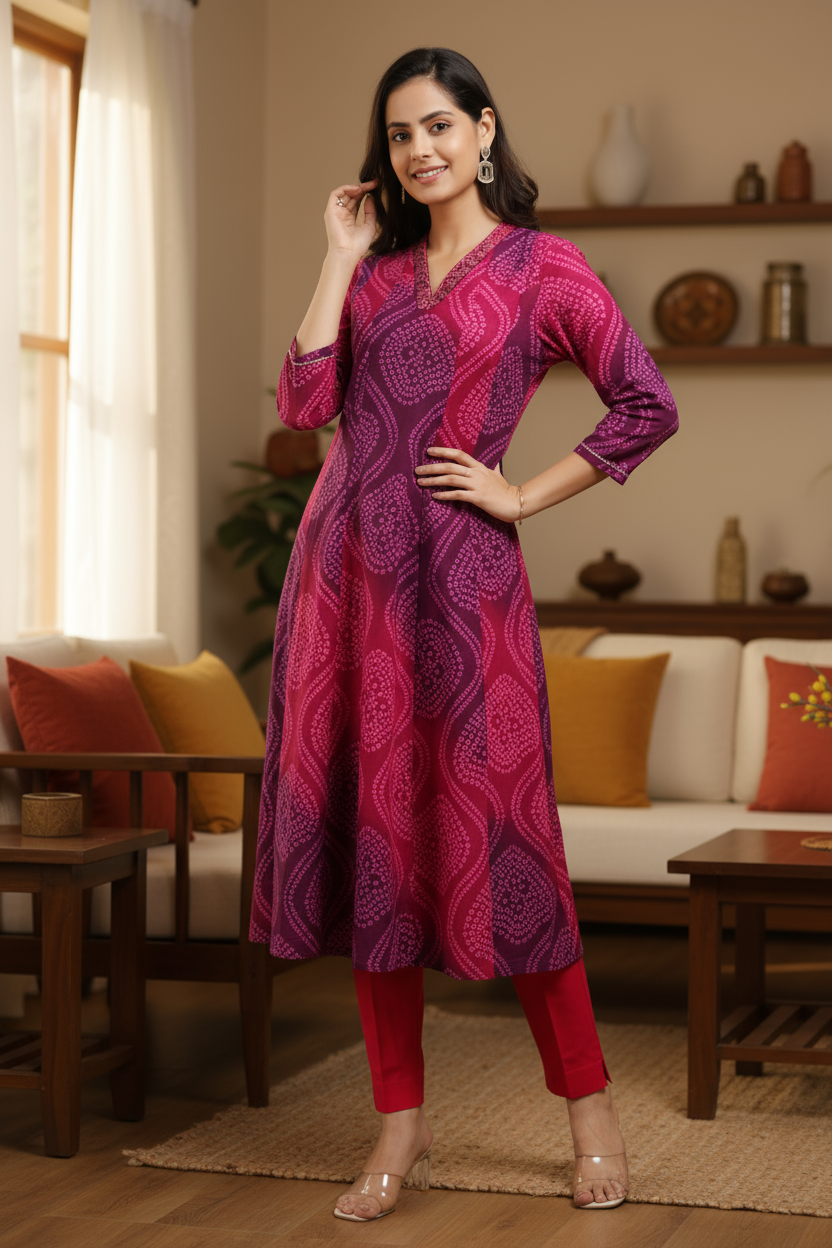
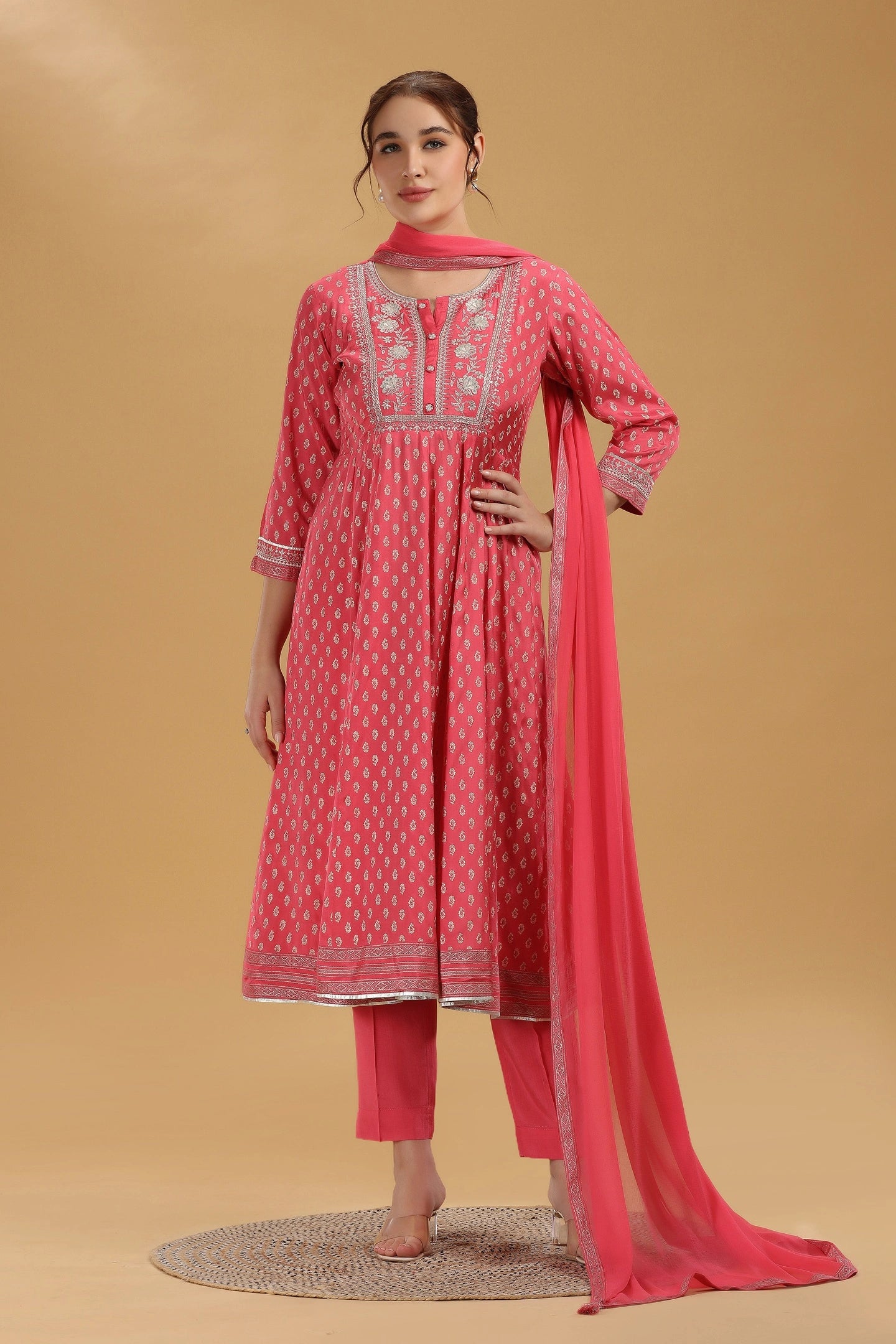
For office days, I always recommend a cotton kurti for women in cambric or poplin — it holds its structure through back-to-back meetings and still looks put-together at 6 PM. For casual weekends, printed slub cotton co-ord sets are our most popular picks at Cotton Culture right now. And for festive occasions, reach for khadi — its texture and cultural weight make it the most meaningful thing you can wear to a celebration.
Benefits of Sustainable Fabrics
Here is what you actually gain when you choose sustainable textiles over fast fashion alternatives:
• Eco-friendly: Natural fibres biodegrade cleanly, leaving no microplastic traces in our rivers or soils.
• Skin comfort: Fewer chemicals in production means fewer irritants against your skin — especially important for women with sensitive skin.
• Durability: A quality cotton kurta from Cotton Culture that is pre-washed and pre-shrunk will outlast any synthetic at the same price point by years, not months.
• Ethical supply chain: Organic and handloom fabrics support farmers and artisans who are paid fairly for skilled work.
• Temperature regulation: Natural fibres breathe. They respond to your body and to the climate — something no synthetic can replicate.
• Long-term value: Spending slightly more on a fabric that lasts 3 years is far more economical than replacing cheap synthetics every 3 months.
Common Myths About Sustainable Fabrics
I hear these three objections in stores and online all the time. Let me address them directly.
Myth 1: Sustainable Fabrics Are Expensive
This is the most persistent myth, and it is simply not accurate. Khadi remains one of the most budget-friendly sustainable fabrics available in India — especially from Khadi India outlets and brands like Cotton Culture that use cotton as their base fabric. The perceived cost is often a comparison against the artificially low price of fast fashion, which externalises its true costs onto the environment and underpaid workers. A ₹800 cotton kurta that you wear 150 times costs far less per wear than a ₹400 polyester one that survives 20 washes.
Myth 2: Sustainable Fabrics Are Not Stylish
At Lakme Fashion Week 2025, khadi dominated the runway. International design weeks from Paris to Copenhagen spotlighted organic cotton and linen as the luxury fabrics of the season. Closer to home, Cotton Culture's printed slub cotton co-ord sets and cambric kurtis sell out within days of launch. Sustainable is not a sacrifice in style. It is the direction style is moving.
Myth 3: Sustainable Fabrics Offer Limited Options
From mulmul and cambric to chanderi cotton, slub, khadi, linen, and Tencel — the range of eco friendly fabrics available to Indian women today is wider than it has ever been. At Cotton Culture's 52 stores across India, the sustainable fabric options span everyday separates, festive suits, co-ord sets, and kurta sets. Limited is the last word I would use.
Future of Sustainable Fabrics in India
Something has shifted meaningfully in India's fashion market over the last 3 to 4 years. The women walking into our stores in Tier-2 cities — Kolhapur, Nashik, Aurangabad — are asking questions they never asked before. What is this fabric? Where does it come from? Will it shrink? How do I care for it? That is a consumer who is thinking, not just buying.
Across India, organic cotton certification is growing. Cooperatives in Rajasthan and Tamil Nadu are now exporting naturally dyed sustainable textiles to markets in Paris and New York. Young Indian designers are making their entire collections in khadi and handloom. The slow fashion movement — globally — is being led in part by India's own ancient textile traditions.
By 2030, industry analysts expect organic and natural fibre demand in India to grow significantly, driven by Gen Z shoppers who explicitly want to know what they are wearing and where it came from. At Cotton Culture, we have been ready for this moment since 2010. Cotton was never a compromise for us. It was always the standard.
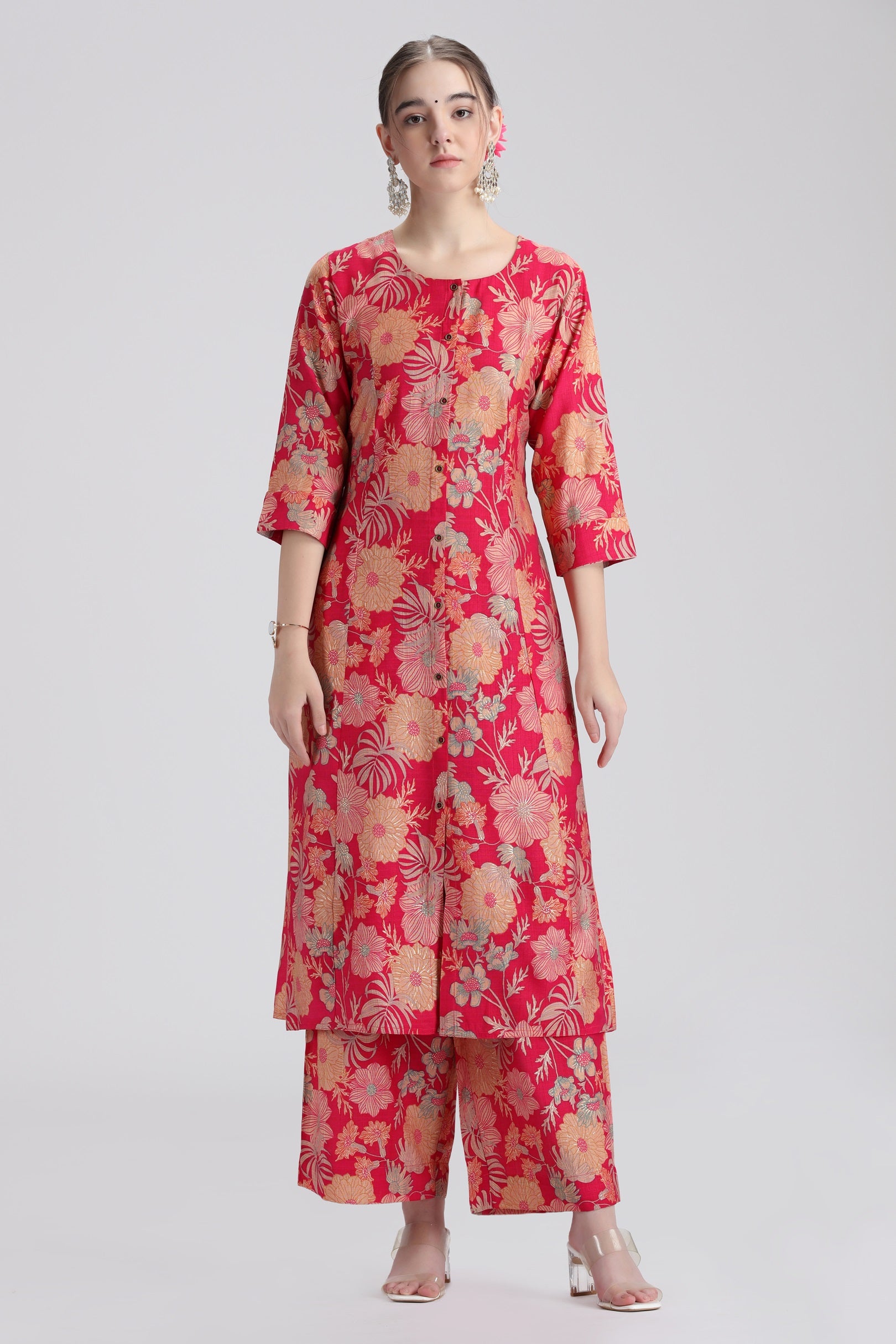
Frequently Asked Questions
What are sustainable fabrics?
|
⚡ Quick Answer Sustainable fabrics are textiles made with minimal environmental harm — grown without toxic chemicals, processed with low water use, and biodegradable at end of life. In India, organic cotton, khadi, and linen are the most accessible and culturally rooted sustainable fabric choices. |
Which sustainable fabrics are best for hot weather?
|
⚡ Quick Answer For India's heat, cotton, linen, and khadi are the top choices. All three offer high breathability, moisture absorption, and natural airflow. Cotton mulmul and khadi are especially effective in humid coastal cities like Mumbai and Chennai. |
Is organic cotton really sustainable?
|
⚡ Quick Answer Yes — organic cotton uses significantly fewer pesticides and less water than conventional cotton. Whether it qualifies as fully sustainable depends on farming practices and certifications like GOTS. Look for certified organic cotton for the most reliable eco-friendly option. |
Why do some sustainable fabrics feel synthetic?
Many fabrics sold as eco-friendly are actually blends — mixing natural fibres with polyester or viscose to reduce cost. Pure natural fabrics — 100% organic cotton, pure khadi, or pure linen — have a distinctly different feel. If a fabric feels plasticky or clings in the heat, it almost certainly contains synthetic fibres. Always check the fabric composition label.
Why is khadi considered eco-friendly?
|
⚡ Quick Answer Khadi is hand-spun and hand-woven — requiring zero electricity in production. It uses organic cotton and produces minimal waste. Its entire supply chain supports Indian artisans, maintains traditional craft skills, and results in a fully biodegradable, low carbon footprint fabric. |
Which fabric is best for Indian summer?
|
⚡ Quick Answer Mulmul, cotton voile, and lightweight khadi are the best fabrics for Indian summer. They are the lightest-woven natural fabrics available — offering maximum airflow and moisture absorption in temperatures that regularly exceed 40°C across Indian cities. |
Are sustainable fabrics expensive?
Not necessarily — and in the long run, they are almost always more economical. Khadi and domestic organic cotton kurtis are available at accessible price points from brands like Cotton Culture. The value lies in durability: a fabric that lasts 3–4 years with regular wear costs a fraction per use compared to cheaper synthetic alternatives that wear out in months.
Wear With Intent — Khushnuma's Closing Thought
After more than two decades in this industry, I still get excited when I feel a perfectly woven cotton or run my hand across a piece of khadi. There is something in a natural fabric that no synthetic has ever replicated — warmth without weight, texture with purpose, and the quiet knowledge that what you are wearing did not cost the earth to make.
India has always known how to dress for its climate and its values. We just needed a reason to remember. The rise of sustainable fashion, of organic cotton fabric, and of khadi's renewed relevance on runways and in wardrobes is that reason. And it is not going away.
If you are ready to build a wardrobe that feels as good as it looks — and lasts longer than a season — start with what we have always known works: cotton, khadi, and the fabrics India grows best.
|
��️ Shop Sustainable Women's Ethnic Wear Explore Cotton Culture's full range of breathable cotton kurtis, khadi suits, co-ord sets and ethnic wear — designed for the modern Indian woman, made to last. Visit us at www.cottonculture.co.in or walk into any of our 52 stores across India. |
About the Author
Khushnuma Qazi is a fashion entrepreneur and Founder of Cotton Culture, a homegrown Indian women's apparel brand with 52 stores across India. With over 22 years of experience in apparel manufacturing, design, and retail expansion, she writes on Indian fashion trends, cotton-first apparel, sustainable practices, and consumer-centric retail strategies. Her insights are grounded in real-world retail experience and evolving customer preferences.
LinkedIn: linkedin.com/in/khushnuma-qazi-b61852259


